


Phone:
+86-138-0577-0261


Views: 0 Author: Site Editor Publish Time: 2026-01-12 Origin: Site


Did you know that Divider boxes have evolved far beyond their humble beginnings in cookie packaging? Today, these innovative solutions are indispensable across industries, from electronics to beauty products. In this article, we’ll uncover how divider boxes are revolutionizing packaging by enhancing product safety, elevating presentation, and supporting sustainability in retail and wholesale. You’ll discover how this versatile packaging tool is transforming the way we think about packaging—beyond just food.
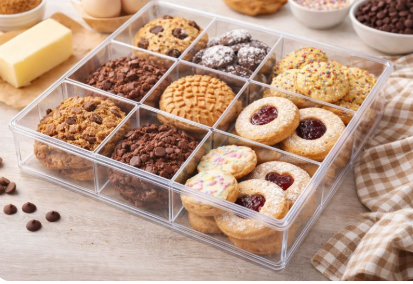
Divider boxes are no longer restricted to food packaging. Retailers across various sectors, including jewelry, electronics, and beauty, now rely on divider boxes to keep their products organized. For instance, a jewelry retailer might use small divider boxes to separate delicate pieces, ensuring that necklaces, rings, and bracelets don’t scratch or become tangled. Electronics, such as phone accessories or components, benefit from dividers to prevent damage during storage or transit.
By shifting from their traditional food-based role, divider boxes have proven to be invaluable in enhancing product organization and safeguarding fragile goods across various industries.
Retail Sector |
Products |
Benefits of Divider Boxes |
Jewelry |
Necklaces, Rings, Bracelets |
Prevents scratching and tangling of delicate pieces. |
Electronics |
Phone Accessories, Components |
Protects small parts from damage during storage and transit. |
Beauty |
Skincare, Cosmetics |
Keeps products upright and organized for easy identification. |
Divider boxes help retailers present products in a more organized and attractive manner, improving the overall customer experience. The neat presentation made possible by dividers can have a significant impact on customer perceptions. Items are easily identifiable, neatly stacked, and less likely to be damaged, leading to a higher level of satisfaction.
For example, cosmetics brands often use divider boxes to keep their skincare products upright and neatly aligned, making them more appealing to customers browsing the shelves. This type of packaging creates a clean, professional look that communicates a brand’s attention to detail and quality.
Cosmetics - Skincare Bottles: Divider boxes help keep skincare products neatly aligned and upright, enhancing presentation and increasing customer appeal.
Electronics - Phone Accessories: Divider boxes prevent clutter and help organize product displays, making it easier for customers to browse and find what they need.
One of the primary advantages of using divider boxes is their cost-effectiveness. Not only do they help reduce the amount of material required for packaging, but they also optimize shipping costs. By using dividers, retailers can ship products in a more compact and efficient manner. Items remain secure and separate, reducing the need for additional packing material like bubble wrap or packing peanuts.
In addition, divider boxes streamline the organization of goods in warehouses and storage spaces, ultimately saving time and labor costs associated with product retrieval and restocking.
Traditional Packaging: High cost, as it requires more material and padding to ensure product safety during shipping.
Divider Boxes: Low cost, as they reduce material costs and optimize space, providing a more efficient packaging solution.
Prompt: Retailers looking to reduce packaging costs should consider switching to divider boxes for packaging and shipping non-food items.
One of the primary functions of divider boxes is to protect fragile items during shipping. The dividers create individual compartments, keeping products secure and preventing them from shifting during transit. This reduces the risk of breakage, scratches, or other forms of damage that might occur when items come into direct contact with each other.
For example, when shipping glassware, divider boxes ensure that each piece remains safely separated, preventing any items from chipping or cracking. This protection is especially important for high-value items or those with intricate designs.
Item |
Risk Without Divider Box |
Benefit of Divider Box |
Glassware |
Chipping, Cracking |
Keeps items separated, preventing damage. |
Electronics |
Scratching, Shifting |
Minimizes damage and ensures items stay intact. |
Divider boxes are available in a variety of materials, including cardboard, plastic, and foam. Each material offers different levels of durability, depending on the nature of the product being packaged. For lightweight products, cardboard dividers may suffice, while more fragile or high-value items may benefit from sturdy plastic or foam dividers.
Additionally, the choice of material affects the overall weight and environmental footprint of the packaging. Sustainable materials, such as recycled cardboard or biodegradable plastics, are becoming increasingly popular for businesses that prioritize eco-conscious solutions.
Cardboard: Moderate durability, best for lightweight items and low-cost packaging.
Plastic: High durability, ideal for fragile, high-value items like electronics that require more protection.
Foam: High durability, best for sensitive or fragile items like glassware, offering excellent shock absorption and protection.
Retailers can customize divider boxes to suit the exact shape and size of their products. Custom dividers provide an extra layer of security and protection by ensuring that items are not only separated but also tightly secured within their compartments.
For example, a perfume manufacturer may use dividers specifically designed to accommodate bottles of various shapes and sizes, ensuring that no two bottles touch. This minimizes the risk of leaks, spills, or product deterioration, which could occur if items were stored loosely in standard boxes.
The demand for sustainable packaging solutions is on the rise, and divider boxes are no exception. Many divider boxes are made from eco-friendly materials such as recycled cardboard, biodegradable plastics, or even plant-based fibers. These materials help businesses reduce their environmental impact by cutting down on waste and minimizing reliance on non-renewable resources.
Material |
Eco-Friendly Benefit |
Examples |
Recycled Cardboard |
Reduces waste, supports recycling. |
Used for packaging in various industries. |
Biodegradable Plastics |
Reduces plastic waste, decomposes naturally. |
Ideal for light-weight items. |
By using divider boxes, businesses can significantly reduce the amount of packaging waste generated. Traditional packaging methods often require excess amounts of bubble wrap, foam peanuts, or air cushions, which contribute to plastic waste. Divider boxes, on the other hand, are reusable and can be recycled at the end of their lifecycle. This shift to more sustainable packaging solutions is not only better for the environment but can also help businesses reduce waste disposal costs.
Traditional Packaging:
Bubble Wrap: High plastic waste, contributing to environmental pollution.
Foam Peanuts: Contributes to landfills, adding to long-term waste issues.
Divider Boxes:
Reusable and recyclable, minimizing environmental impact and reducing waste disposal costs.
Unlike single-use packaging materials, divider boxes are designed for multiple uses. Many businesses choose to reuse their divider boxes, particularly in warehouse storage or for shipping multiple orders. Even if the boxes are eventually discarded, they are often recyclable, further reducing the overall waste produced by packaging operations.
The ability to reuse and recycle divider boxes contributes to a more sustainable, circular economy by minimizing the need for new materials and reducing landfill waste.
In addition to their functional benefits, divider boxes are also being used as a branding tool. Custom-printed divider boxes allow retailers to include logos, promotional messages, or product information on the packaging. This not only helps reinforce brand identity but also offers an additional opportunity for marketing.
For instance, a premium chocolate brand might use custom-printed divider boxes to showcase their logo and tagline, turning the packaging into a mini advertisement for the product inside. This small touch can improve brand recognition and influence customer purchasing decisions.
Modular divider boxes are gaining popularity because they offer flexibility in organizing products of different sizes and shapes. These boxes can be adjusted and reconfigured to create compartments that fit specific products, making them ideal for retailers with a diverse inventory. Modular dividers also make it easier to organize and sort products in warehouses, leading to more efficient stock management and retrieval.
Collapsible divider boxes are particularly beneficial for retailers who need to save space during off-peak times. When not in use, these boxes can be folded flat and stored easily, reducing the need for additional storage space. This feature is especially useful for businesses with fluctuating inventory, such as seasonal items or subscription box services.
As technology continues to shape the retail and wholesale industries, divider boxes are evolving as well. Today, some divider boxes incorporate advanced technologies such as QR codes or RFID tags. These innovations allow businesses to track inventory in real-time, monitor stock levels, and ensure accurate deliveries.
With the integration of technology, divider boxes are becoming more than just packaging solutions – they are tools for improving operational efficiency and inventory management.
The rise of e-commerce has fueled the demand for packaging solutions that are both efficient and protective. Divider boxes are playing a crucial role in this shift by providing a way to organize and protect products during shipping. As e-commerce continues to grow, divider boxes will remain a vital part of ensuring products arrive in perfect condition and are easily identifiable upon delivery.
Subscription box services, which often require customized packaging for a variety of products, are another area where divider boxes are making an impact. By using divider boxes, businesses can ensure that each item in a subscription box remains secure and neatly arranged. This not only enhances the customer experience but also prevents damage to products, ensuring that every box arrives intact.
Comment: Integrating technology and using divider boxes in e-commerce and subscription boxes can enhance inventory tracking and improve packaging efficiency.
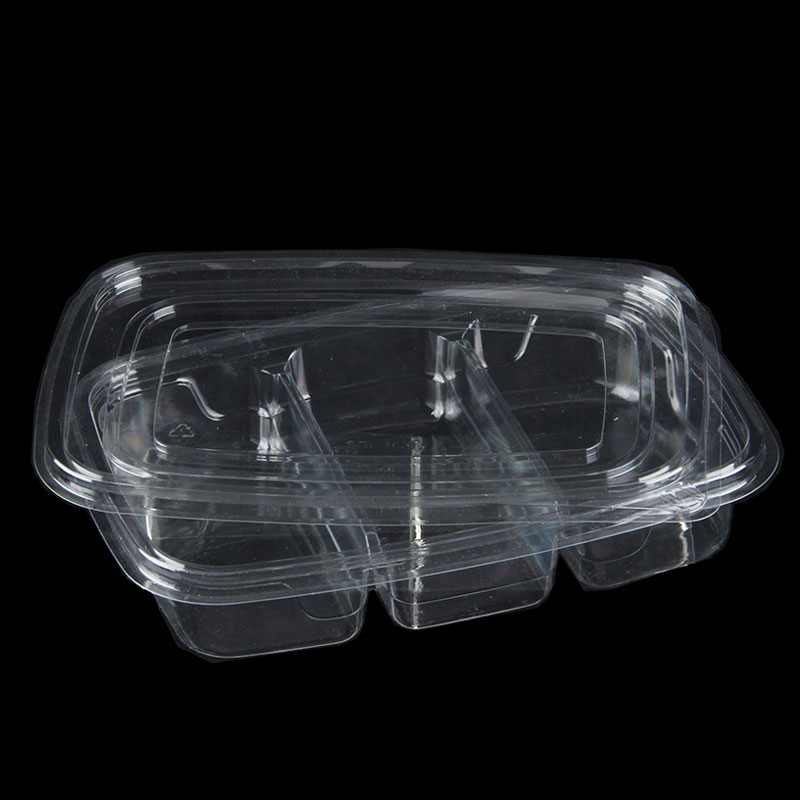
Divider boxes have evolved from their traditional use in food packaging to become an essential tool in retail and wholesale operations. Whether protecting fragile items during shipping, improving product presentation, or supporting sustainable packaging practices, divider boxes offer numerous benefits across various industries. As their use continues to grow, divider boxes will remain a key player in meeting the ever-evolving needs of modern retail and wholesale businesses. By understanding the value of divider boxes and their versatility, retailers and wholesalers can improve their operations, reduce costs, and create a more efficient, eco-friendly supply chain. Manufactured by Shiding, our divider boxes are designed to meet the highest standards of quality and functionality. If you are interested in ordering or learning more, feel free to contact us for more information. Divider boxes provide enhanced safety, cost-efficiency, environmental benefits, and versatile design options, making them indispensable in today’s retail and wholesale landscape.
A: A divider box is a type of packaging that uses internal partitions to separate and protect products. Originally used for baked goods like cookies, divider boxes are now widely used in retail and wholesale for organizing and shipping various products.
A: In retail, divider boxes are used to organize and protect items like jewelry, electronics, and beauty products. They help maintain product integrity during storage and shipping while improving presentation on shelves.
A: Divider boxes provide several benefits, including protection for fragile items, space optimization in packaging, and cost efficiency. They also help businesses maintain a clean and organized appearance for products, improving customer satisfaction.
A: Divider boxes are typically made from materials like cardboard, plastic, or foam. These materials offer different levels of durability and protection, allowing businesses to choose the best option for their specific needs.


