


Phone:
+86-138-0577-0261


Views: 0 Author: Site Editor Publish Time: 2026-01-26 Origin: Site


In today's fast-paced world, managing portion control and food hygiene is more crucial than ever. As we become more health-conscious, individual food boxes have become a smart solution. These containers not only help with portion sizes but also ensure food safety. In this article, we will explore how individual food boxes promote a healthier lifestyle, reduce waste, and maintain hygiene. Additionally, we’ll highlight their eco-friendly benefits and provide tips for maximizing their use.
Food Box Type | Use Case | Benefits | Drawbacks |
Lunch Boxes | For a full meal (e.g., main dish and sides) | Perfect for portion control and organizing a full meal. | Larger size, less portable. |
Snack Containers | For small portions like fruits, nuts, yogurt, etc. | Compact and convenient for snacks and light meals. | Limited capacity, not suitable for full meals. |
Portion Control Containers | Specifically designed to control food portions | Precise portion control, great for healthy eating. | Not ideal for large meal storage. |
Portable Lunch Boxes | Convenient for meals on-the-go, like office lunches or post-workout meals. | Easy to carry, keeps meals fresh. | May not hold large meals comfortably. |
An individual food box is a container designed to store a specific portion of food, typically for one meal or snack. Unlike traditional bulk storage methods, individual boxes are perfect for meal prep, helping you control portion sizes and reduce overeating. These containers come in various shapes and sizes, making them versatile for different types of meals, from salads to casseroles.
By using individual boxes, you can separate ingredients, maintain freshness, and avoid the temptation of overindulging. This approach also minimizes food contamination by keeping each food item in its own designated space.
Individual food boxes are made from several materials, including plastic, glass, and eco-friendly options. Plastics are lightweight, durable, and easy to clean, making them ideal for everyday use. Glass containers, on the other hand, are non-toxic and better at maintaining food quality over time, although they are heavier and more prone to breakage.
Eco-friendly food boxes are gaining popularity due to growing environmental concerns. These containers are made from biodegradable materials or BPA-free plastics, which are safer for both human health and the environment.
The design of the box plays a crucial role in keeping food fresh. Air-tight seals, stackable shapes, and compartments for different food items are features that promote hygiene and efficiency.
Material | Benefits | Drawbacks |
Plastic | Lightweight, durable, easy to clean, affordable. | Can retain odors, may not be eco-friendly. |
Glass | Non-toxic, maintains food quality, more eco-friendly. | Heavier, more prone to breakage, pricier. |
Eco-friendly Materials | Biodegradable, BPA-free, safe for health and the environment. | May be more expensive, limited availability. |
There is a wide variety of individual food boxes available on the market today:
● Lunch Boxes: Designed to hold a complete meal, usually with compartments for different types of food.
● Snack Containers: Smaller in size, these are perfect for packing snacks like fruit, nuts, or small servings of yogurt.
● Portion Control Containers: These boxes often feature marked measurements to help with portion control, ensuring you eat the right amount.
Each type of individual box has its benefits, depending on the type of meal you're preparing and your dietary goals.
Portion control is the practice of managing the amount of food you eat at one time. It is essential for weight management and overall health. By keeping portions in check, you reduce the risk of overeating, which can lead to unwanted weight gain and digestive problems.
Many people struggle with estimating the right amount of food to eat, especially when meals are served in large quantities or when food is not pre-portioned. Individual food boxes help solve this problem by offering a visual guide and precise measurements.
Individual food boxes are designed to hold specific portions of food, which helps you stick to your dietary goals. Whether you're trying to lose weight, maintain a healthy lifestyle, or manage a specific health condition, these boxes are an excellent tool for portion control.
For example, if you’re meal prepping for the week, you can portion out each meal into its own individual box. This ensures you’re not overeating or eating more than your body needs.
Pre-portioning meals in individual food boxes offers multiple benefits:
● Consistency: Having pre-portioned meals makes it easier to stick to a consistent eating routine.
● Convenience: You can grab a meal or snack without having to worry about measuring or estimating portion sizes.
● Reduced Food Waste: Since the meals are pre-portioned, you’re less likely to prepare more than needed, helping reduce food waste.
Benefit | Explanation |
Consistency | Pre-portioned meals help maintain a consistent eating routine. |
Convenience | Quick and easy meals are available without additional prep time. |
Reduced Food Waste | Only the necessary portions are prepared, cutting down on leftovers. |
Portion Control | Helps maintain a healthy portion size and avoids overeating. |
One of the main benefits of individual food boxes is that they prevent cross-contamination. By separating different food items, these containers reduce the risk of harmful bacteria spreading between meals, especially when dealing with raw foods like meat or fish.
For instance, using separate boxes for fruits, vegetables, and proteins ensures that food stays safe to eat and doesn't become contaminated with germs that could lead to foodborne illnesses.
Air-tight seals are a key feature of many individual food boxes. They help lock in freshness, reduce exposure to air, and prevent moisture from accumulating. This is especially important when storing perishable items like salads or leftovers. By sealing food in an individual box, you create an environment where bacteria and germs have less chance to grow.
In addition to air-tight seals, many food boxes come with compartments and lids that promote better food hygiene. These designs make it easier to store multiple foods without mixing flavors or compromising cleanliness.
Individual food boxes make food storage organized and hygienic. These containers are easy to stack, making them ideal for maximizing refrigerator space. Furthermore, they help prevent food spills, which can lead to bacterial contamination.
Cleaning these boxes is also straightforward, with many being dishwasher-safe or easy to wipe down. Regular cleaning helps maintain hygiene and ensures that no food particles are left behind to breed bacteria.
Meal planning and preparation can be time-consuming, but individual food boxes make it easier. With pre-portioned meals ready to go, you don’t have to worry about packing lunch or preparing snacks every day. Simply grab your pre-packed individual box, and you're set for the day.
This convenience is especially valuable for busy professionals or those with hectic lifestyles, as it saves time while ensuring that meals are well-balanced and nutritious.
Individual food boxes are portable, making them perfect for on-the-go meals. Whether you’re heading to the office, gym, or a picnic, you can easily take your meal along without worrying about spills or messes. These containers can also be used for a variety of meal types, from sandwiches to fresh salads.
The flexibility of these boxes allows you to enjoy homemade meals wherever you go, reducing the temptation to rely on unhealthy fast food options.
Food waste is a significant problem in many households. However, individual food boxes help solve this issue by allowing you to store only the necessary portions. By measuring out the correct amount of food, you reduce the likelihood of excess food that might go bad or get thrown away.
This not only saves money but also helps the environment by reducing the amount of food sent to landfills.
As environmental concerns continue to rise, eco-friendly food storage solutions are gaining popularity. Many individual food boxes are now made from biodegradable or recyclable materials. This helps reduce the impact of single-use plastics on the environment.
Choosing eco-friendly containers made from sustainable materials like bamboo, stainless steel, or glass reduces your environmental footprint and supports greener alternatives.
Switching to reusable individual food boxes is a simple yet effective way to reduce reliance on single-use plastic containers. Unlike plastic bags or disposable packaging, these boxes can be used repeatedly, reducing plastic waste over time.
This change is an easy way for businesses and consumers to play a part in reducing pollution and promoting sustainability.
Investing in durable, long-lasting food containers may require an initial cost, but over time, it saves money. Reusable food boxes eliminate the need for disposable packaging, reducing the frequency with which you have to buy new storage solutions.
Additionally, by using eco-friendly materials, you can contribute to a cleaner planet while saving on disposable packaging costs.
To maximize the benefits of individual food boxes, it’s important to store them properly. Always ensure that food is fully cooled before sealing it in a box to avoid condensation, which can promote bacteria growth.
If you're storing hot food, allow it to cool to room temperature before placing it in the box, or use a box designed to handle temperature fluctuations.
Cleaning is essential to maintain the hygiene of your food boxes. Regularly wash the boxes with warm water and soap, especially after storing perishable items.
For extra cleanliness, consider using a disinfectant or vinegar solution to wipe down the inside of the box. Ensure the boxes are thoroughly dried before storing them again.
Meal prepping with individual food boxes is an effective way to ensure that your meals are portioned correctly, and you avoid overeating. It’s helpful to organize your meals based on food groups and store them in separate compartments to maintain freshness.
Plan your meals for the week, and portion them into individual boxes. This will save you time each day and make it easier to stick to your healthy eating goals.
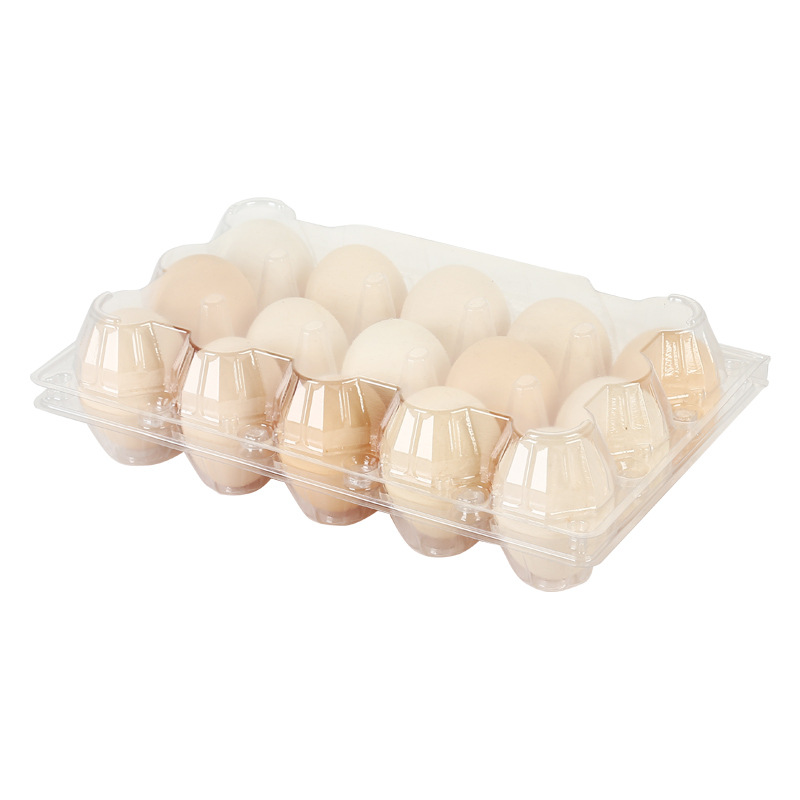
Individual food boxes are more than just convenient storage solutions. They are an essential tool for maintaining portion control, promoting food hygiene, and reducing waste. By investing in these containers from Shiding, you can make your meals healthier, more organized, and more environmentally friendly.
If you haven’t already, consider switching to individual food boxes from Shiding today. They provide a simple, practical solution to many of the challenges people face when it comes to meal planning and food management. Take control of your portions, keep your food safe, and contribute to a greener planet—one box at a time.
A: An individual food box is a container designed to store a specific portion of food for one meal or snack. It helps with portion control by offering pre-measured servings, preventing overeating, and supporting a balanced diet.
A: Individual food boxes prevent cross-contamination by separating different food types, and their air-tight seals help maintain freshness and reduce the risk of bacterial growth, ensuring food hygiene.
A: Yes, individual food boxes are ideal for meal prepping. They help you organize meals in advance, control portion sizes, and keep food fresh for longer periods.
A: Many individual food boxes are made from eco-friendly materials, such as BPA-free plastic, glass, or biodegradable alternatives, helping reduce plastic waste and supporting sustainable living.


