


Phone:
+86-138-0577-0261


Views: 0 Author: Site Editor Publish Time: 2026-01-28 Origin: Site


Plastic containers are a key solution in modern storage and packaging. Whether used for home organization or bulk shipping, plastic boxes are vital across industries. The choice between stackable and nestable containers can be challenging. In this article, we will explore their differences, highlighting storage capacity, durability, and cost-effectiveness. By the end, you'll know which container suits your needs best.
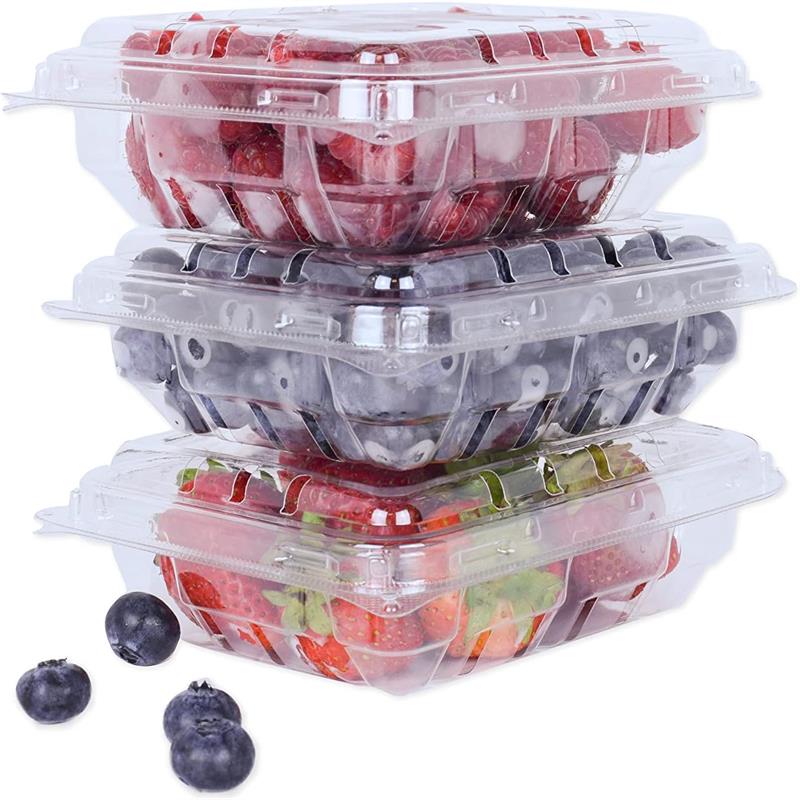
Stackable plastic boxes are designed to be stacked securely on top of one another, providing a stable structure for storage and transportation. These containers are ideal for maximizing vertical storage space, especially in environments where floor space is limited.
Stackable containers are commonly used in warehouses, retail spaces, and industrial settings, as they help organize and store large volumes of goods efficiently. Their sturdy design ensures that they remain stable, even when stacked high.
● Stability: Stackable containers are designed to be more stable and durable, making them perfect for storing heavy items. Their reinforced structure can handle more weight and pressure compared to nestable containers.
● Efficient Use of Vertical Space: Stackable containers are ideal for high-density storage, maximizing the use of vertical space in warehouses, distribution centers, and food storage areas.
● Easy to Transport: Stackable containers make it easier to move large quantities of goods, as they can be securely stacked, reducing the need for additional handling or complex storage arrangements.
Stackable containers are typically made from PET (Polyethylene Terephthalate), a lightweight yet durable plastic that offers excellent protection for contents. PET is particularly beneficial because it is food-safe, recyclable, and provides a reliable barrier against moisture, oxygen, and microorganisms, ensuring food stays fresh.
Material | Advantages | Use in Plastic Boxes |
PET | Lightweight, durable, recyclable | Food storage, packaging for fresh produce, meats, snacks |
Polypropylene | Strong, resistant to chemicals | Industrial containers, bulk storage |
Polycarbonate | Impact-resistant, high clarity | Food packaging requiring clear visibility |
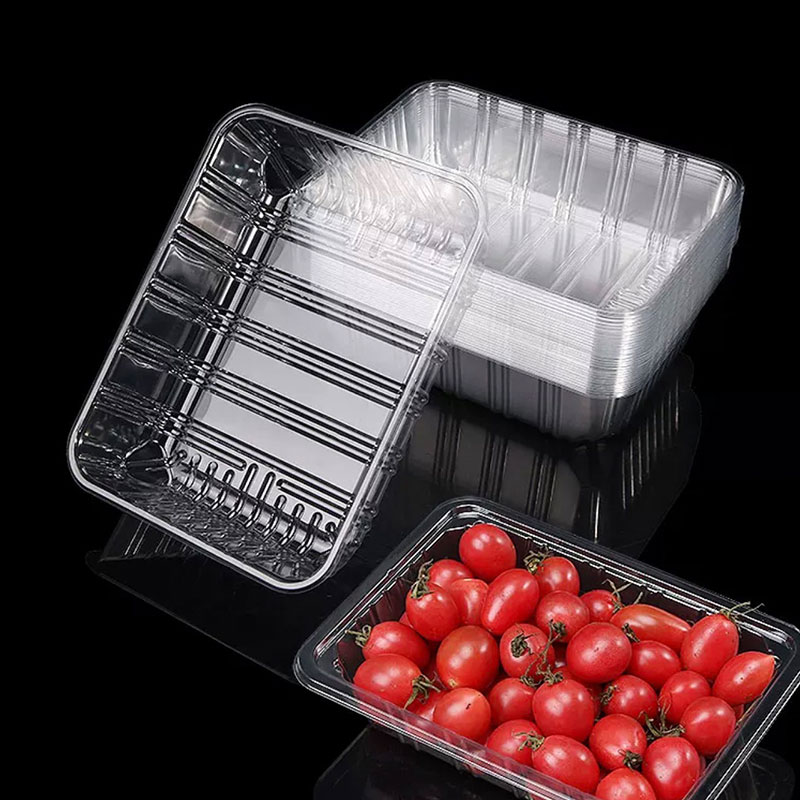
Nestable plastic containers are designed to fit inside one another when empty, offering a significant advantage in terms of storage space. When not in use, they can be nested together, reducing the storage space needed to store the containers themselves.
Nestable containers are a great choice when space-saving is crucial, such as in seasonal storage, or when containers are not fully loaded and are sitting idle for some time.
● Space Efficiency: The main advantage of nestable containers is their ability to reduce storage space when empty. By nesting inside each other, these containers take up much less room than their stackable counterparts.
● Cost-Effective: Nestable containers are often more affordable due to their compact design, which requires less material and is easier to ship.
● Lightweight: Nestable containers are typically lighter than stackable ones, making them easier to handle and transport, especially when dealing with lower-volume items.
Similar to stackable containers, nestable containers are often made from PET. This plastic is chosen for its recyclability, lightweight nature, and hygienic properties, which are particularly important in food packaging.
Material | Advantages | Use in Plastic Boxes |
PET | Lightweight, recyclable, food-safe | Ideal for smaller food packaging and temporary storage |
HDPE | Strong, resistant to impact | Common in non-food storage, durable for various products |
PVC | Flexible, resistant to moisture | Used for specialized industrial packaging |
Tip: Nestable containers are an excellent choice for retailers or distributors looking for an affordable, space-saving solution when containers are not actively in use.
Container Type | Storage Efficiency When Empty | Storage Efficiency When Full |
Stackable | Requires more space when empty | Maximizes vertical storage when full |
Nestable | Efficient space use when empty | Offers less vertical storage when full |
● Stackable Containers: While stackable containers take up more space when empty, they allow you to fully utilize vertical storage, making them ideal for bulk storage when containers are full.
● Nestable Containers: These containers are great for saving space when empty, as they can nest inside one another. However, they do not provide the same vertical storage capacity when filled, making them better for lighter or seasonal use.
● Stackable Containers: Generally more durable, stackable containers are designed to withstand the pressure of being stacked high with heavy loads, ensuring they maintain their integrity even under significant weight. This makes them the better choice for industrial applications, where heavy-duty containers are essential for safe storage and transport of goods. Their robust construction ensures long-lasting performance in demanding environments.
● Nestable Containers: Nestable containers are typically lighter and less sturdy, making them less ideal for heavy-duty use. These containers are better suited for situations where they won’t be subjected to frequent handling or heavy loads, such as light storage or low-traffic environments. While they are not built for the same long-term durability as stackable containers, they offer adequate functionality in low-demand situations.
● Stackable Containers:The design and durability of stackable containers make them more expensive due to their strong structure and ability to handle heavier loads. However, their high-quality construction provides a long-term solution for industries that require stability and longevity in storage. The investment pays off over time, particularly in environments where efficiency, safety, and durability are key priorities.
● Nestable Containers: Nestable containers are generally more cost-effective because of their simpler design and lighter materials. Their affordability makes them an ideal choice for businesses that need a space-saving solution without sacrificing too much in terms of durability. These containers are well-suited for businesses with moderate storage needs, where cost-efficiency is a priority, and high-end durability is less critical.
● Stackable Containers: These containers are perfect for food storage, shipping, and industrial applications, especially when items need to be organized, protected, and accessible. Their sturdy design and vertical stacking capability make them ideal for environments where large quantities of goods need to be stored securely and efficiently. Stackable containers offer great versatility for a wide range of industries, from food packaging to manufacturing.
● Nestable Containers: Best for retail, seasonal packaging, and low-volume storage, nestable containers excel in environments where space efficiency is more important than storage capacity or durability. Their ability to nest inside one another when empty allows businesses to save valuable space, making them an excellent choice for companies with fluctuating inventory levels or limited storage capacity.
When it comes to food storage, stackable plastic boxes provide numerous benefits. These containers:
● Protect Food: Their sturdy design and flip-top lids ensure that food stays fresh and sanitary, making them ideal for packaging perishable items like vegetables, meats, and bakery products.
● Offer Flexibility: Available in various sizes, including 250g, 500g, 700g, and 1000g, stackable containers can accommodate different volumes of food.
Stackable containers are ideal for keeping food organized and easy to access. Their PET material helps protect food from contamination, moisture, and other environmental factors that could compromise quality.
Nestable plastic containers are well-suited for lighter, non-perishable food items. These include:
● Snacks: Cookies, crackers, and other dry goods.
● Bakery Items: Breads and other packaged foods.
Though nestable containers may not provide as much protection as stackable ones, they are still effective for storing smaller quantities of food or items that require less protection. Their space-saving feature is ideal for temporary or seasonal storage needs.
Tip: If you need long-term storage for perishable goods, stackable containers are the better choice. For smaller, non-perishable food items, nestable containers are a cost-effective and efficient solution.
Choosing between stackable and nestable plastic containers depends largely on your storage needs and the type of goods being stored.
● Stackable Containers are perfect for bulk storage, industrial environments, and food packaging where durability, protection, and vertical space usage are essential.
● Nestable Containers are best suited for space-saving in low-usage environments, offering cost-efficiency and easy handling for lighter items.
Both types of plastic containers can be made from PET, ensuring sustainability, safety, and recyclability. When selecting containers for food storage, ensure that they are food-grade and offer the protection your goods require. By considering factors like cost, storage space, and durability, you can make the best choice for your business. Shiding manufactures high-quality stackable and nestable plastic boxes that cater to various storage and packaging needs, ensuring optimal efficiency and safety.
A: Stackable plastic boxes are designed to be securely stacked on top of each other, providing vertical storage. Nestable containers, on the other hand, fit inside one another when empty, saving space. Both serve unique purposes, depending on your storage needs.
A: Yes, stackable containers are generally more durable due to their robust structure, designed to hold more weight and endure pressure. They are ideal for industrial storage and bulk packaging.
A: Yes, nestable containers are suitable for food packaging, especially for non-perishable items like snacks or dry foods. However, for perishable goods, stackable plastic boxes offer better protection and freshness.
A: Stackable plastic boxes maximize vertical space, provide stability for heavy loads, and are ideal for environments like warehouses or food packaging where accessibility and organization are important.


