


Phone:
+86-138-0577-0261


Views: 0 Author: Site Editor Publish Time: 2026-06-23 Origin: Site


Produce shrinkage and compromised visual appeal directly erode retail profit margins. Spoiled goods sitting on store shelves represent lost revenue. They also severely damage your brand reputation. Retailers face a constant tension every single day. They must protect delicate produce during harsh transit journeys. At the same time, they must maximize visual appeal at the point of sale. Finding this perfect balance remains incredibly difficult for many grocery operators.
Strategic selection of a PET fruit box solves this exact problem. It addresses both vital physical protection and pristine retail presentation. You will discover verifiable ways to extend shelf life and maintain essential moisture balance. We will explore how high-clarity packaging drives ultimate consumer confidence. Implementing these strategies will help you boost daily sales and cut preventable losses.
Visual Merchandising: High-clarity PET material eliminates "guesswork" for consumers, accelerating purchase decisions.
Micro-Climate Control: Properly ventilated PET containers manage ethylene gas and moisture, significantly reducing premature rot.
Supply Chain Durability: Impact-resistant structural integrity reduces bruising and crush-damage during palletization and display stacking.
Compliance & Sustainability: Food-grade PET is widely accepted in global recycling streams, balancing single-use convenience with realistic end-of-life recovery.
Industry averages reveal a stark financial reality. Grocery operators routinely lose 15% to 30% of fresh produce before checkout. This shrinkage happens during transit, storage, and retail display. Bruised berries and wilted greens destroy your daily profit margins. Every unsellable strawberry directly impacts the bottom line. Retailers cannot afford to ignore suboptimal packaging choices.
Consumer psychology heavily dictates produce sales. Shoppers universally apply the "first glance" rule. They judge freshness within seconds of approaching a display. Consumers immediately reject produce showing visible condensation or noticeable bruising. They also distrust opaque packaging. Boxes hiding the bottom layer of fruit create instant skepticism. Shoppers assume hidden items are bruised or moldy. Transparency builds immediate trust and accelerates purchase decisions.
Ideal packaging must accomplish three distinct goals simultaneously. We consider these the ultimate success criteria for modern retailers:
Visibility: Shoppers must see the product from multiple angles without opening the container.
Ventilation: The design must allow trapped gases to escape while maintaining proper humidity.
Physical Defense: The structure must withstand impacts during transit and aggressive shelf sorting.
Balancing these criteria transforms simple containers into powerful merchandising tools. Proper implementation directly reduces spoilage rates. It also encourages shoppers to buy premium items confidently.
Ethylene gas acts as an invisible ripening agent. Fruits like berries, tomatoes, and peaches naturally emit this gas as they age. Trapped ethylene accelerates the ripening process exponentially. Engineered structural vents in PET boxes prevent this dangerous gas accumulation. Precise airflow delays over-ripening significantly. Without correct ventilation, fresh items spoil prematurely on your shelves. You need vents sized perfectly for the specific produce inside.
Moisture control remains another critical balancing act. Fresh fruit requires essential hydration to prevent unsightly shriveling. However, excess moisture invites aggressive mold growth. You must strike a careful balance. Proper PET designs retain just enough interior humidity. They allow excess condensation to evaporate through strategically placed side vents. This micro-climate management keeps produce looking plump and vibrant for days longer.
Physical barrier properties also extend usable shelf life. The rigid structure of a disposable fruit container physically isolates individual batches. This separation proves crucial for disease control. Fungal spores spread rapidly through direct contact. Rigid walls prevent cross-contamination from reaching neighboring punnets. If one blackberry molds, the surrounding containers remain completely protected. This isolation drastically reduces widespread display spoilage.
Ethylene Release: Structural vents allow ripening gases to escape harmlessly.
Humidity Balance: Optimized airflow prevents both dehydration and mold proliferation.
Contamination Control: Solid physical barriers stop rot from jumping between separate batches.
Understanding this underlying science helps procurement teams make better decisions. Packaging is not just a transport vessel. It actively manages the biological aging process of your inventory.
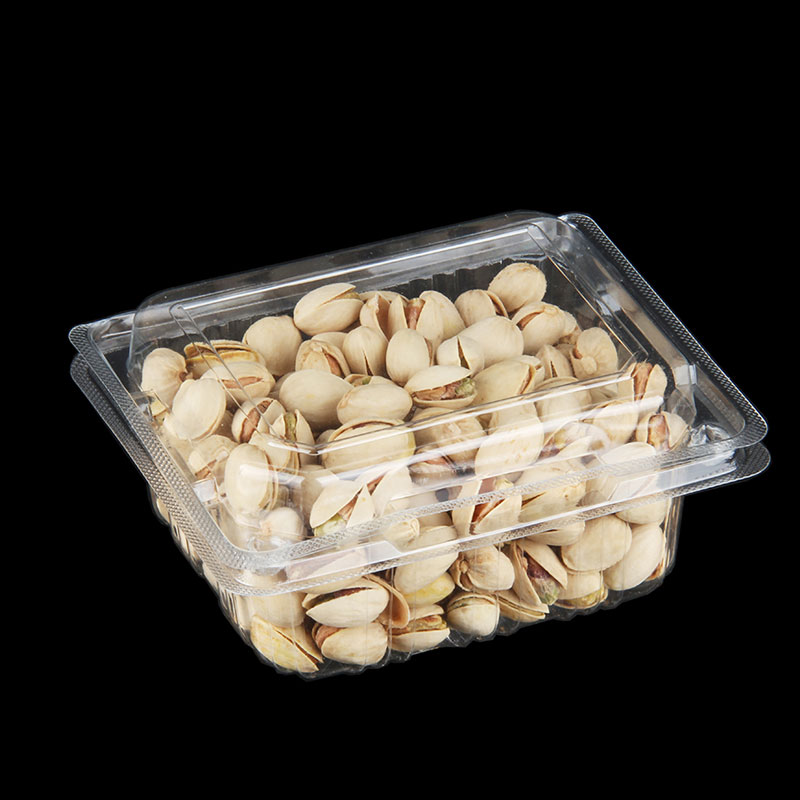
Optical clarity serves as a primary sales driver. Shoppers buy with their eyes first. We must compare the crystal-clear presentation of PET against inferior alternatives. Cloudy bioplastics often make vibrant fruit look dull or aged. Visually restrictive cardboard hides natural colors entirely. Shoppers naturally distrust hidden produce. They want to inspect every berry before placing it in their cart. Crystal-clear materials eliminate this common consumer hesitation entirely.
Pristine presentation elevates perceived product value. A high-quality transparent fruit box signals premium quality instantly. Consumers willingly pay higher prices for items looking immaculate. Organic and premium-tier produce require packaging matching their high price tag. Flimsy bags or cloudy tubs dilute the premium brand experience. Clear, rigid containers make the fruit the unquestionable hero of the display.
Stackability directly impacts store revenue per square foot. Retailers need to build higher, more space-efficient displays. Soft plastic bags crush underlying items immediately. Cardboard boxes block overhead store lighting, creating dark shadows on lower shelves. Rigid PET packaging solves both issues simultaneously. You can stack these containers safely without crushing delicate bottom layers. Their clarity allows ambient store light to penetrate deep into the display. This ensures every single package looks bright, fresh, and highly appealing.
Best Practices for Displaying Clear Containers:
Utilize overhead LED lighting to enhance the natural shine of the fruit.
Keep display heights manageable to prevent accidental shopper drops.
Ensure containers face forward, hiding barcodes or heavy labels on the bottom.
Choosing the right material dictates your overall retail success. We must evaluate these options based on actual performance outcomes. Buyers often feel confused by overlapping sustainability claims. A clear comparison reveals the best practical choice for modern grocery operations.
Material Type | Optical Clarity | Moisture Barrier | Structural Integrity | Real-World Recyclability |
|---|---|---|---|---|
PET / rPET | Excellent (Crystal Clear) | High (Retains hydration) | Shatter-resistant, Highly rigid | Widely accepted globally (#1) |
Molded Pulp / Cardboard | Poor (Opaque) | Low (Absorbs moisture, risks mold) | Moderate (Can crush if wet) | High (Easily paper-recycled) |
PLA / Bioplastics | Good (Slightly cloudy) | Moderate | Brittle under cold temps | Low (Lacks commercial composting) |
PET and recycled PET (rPET) dominate the fresh produce sector for good reason. They provide unmatched clarity and excellent moisture barriers. The material remains highly recyclable and resists shattering under heavy impacts. Conversely, molded pulp enjoys a strong eco-perception among some shoppers. However, pulp absorbs environmental moisture rapidly. It obscures product visibility completely. In high-humidity transport environments, cardboard actively promotes dangerous mold growth on the fruit.
Polylactic Acid (PLA) and similar bioplastics present unique challenges. They offer decent clarity but suffer from lower heat tolerance. More importantly, they create massive disposal confusion. Most municipal recycling facilities cannot process PLA. It often lacks local commercial composting infrastructure. Consequently, these "green" plastics frequently end up in standard landfills.
We must address the sustainability factor pragmatically. Real-world recycling infrastructure matters more than theoretical lab results. Choosing a widely recyclable #1 PET container often yields better environmental outcomes. Many "compostable" plastics contaminate existing recycling streams. PET boasts an established, global recovery network. Consumers easily recognize the recycling symbol and know exactly how to dispose of it properly.
Sourcing reliable fruit vegetable packaging requires strict operational due diligence. Food safety must remain your absolute top priority. You must verify FDA, EFSA, or local food-grade certifications before purchasing. Never assume all commercial plastics are safe for direct food contact. Industrial plastics sometimes contain harmful chemical plasticizers. Always demand certified documentation from your packaging manufacturer.
Procurement teams must evaluate customization versus scalability. Standard clamshells and punnets offer high availability and lower upfront costs. They work perfectly for high-volume commodity produce. However, custom-molded designs provide distinct brand differentiation. Custom shapes command attention on crowded shelves. They do require higher Minimum Order Quantities (MOQs) and initial tooling investments. You should weigh your brand strategy against these budgetary realities.
You must actively avoid common implementation risks during rollouts. Incorrect ventilation ratios ruin entire shipments quickly. For example, blueberries require completely different airflow dynamics than table grapes. Using a universal box design often leads to localized humidity spikes. Another major pitfall involves lid-locking failures. Weak button-locks pop open during automated packing or rough transit. This spills expensive produce across warehouse floors.
Common Mistakes to Avoid:
Applying overly large adhesive labels that block consumer visibility.
Ignoring specific ventilation requirements for different fruit species.
Failing to test container strength under actual refrigerated transit conditions.
Conduct rigorous field testing before committing to large volumes. Fill the containers with your actual product. Run them through your standard supply chain routes. Evaluate their performance upon arrival. This hands-on experience prevents costly errors and ensures maximum return on investment.
Shifting to optimized PET packaging serves as a critical investment in loss-prevention. It directly enhances your visual merchandising strategy. High-clarity containers eliminate consumer doubts, speed up purchase decisions, and elevate brand perception. They effectively manage the micro-climate around fresh produce, slowing down the natural ripening process. The robust structural integrity protects your valuable inventory from farm to shopping cart.
We advise procurement teams to take immediate action. Audit your current produce shrinkage rates to identify major loss areas. Request sample containers from certified manufacturers today. Conduct your own rigorous 7-day shelf-life evaluations in real store environments. Perform physical stress tests to verify stackability and lock strength. Upgrading your packaging strategy will consistently protect your profits and delight your customers.
A: PET boxes provide rigid crush-resistance that soft bags entirely lack. They protect delicate berries from physical damage during stacking and transit. Additionally, PET containers feature precise structural ventilation holes. These engineered vents prevent the localized humidity spikes and condensation pooling common in sealed bags, significantly delaying rapid mold growth.
A: No. Slight fogging indicates normal, healthy cellular respiration. Fresh fruit naturally releases moisture as it breathes. However, trapped pooling water at the bottom signifies poor ventilation and invites mold. You must choose packaging with correct venting designs to allow excess water vapor to escape while retaining vital hydration.
A: Yes. PET carries the Resin Identification Code #1, making it the most universally recycled plastic globally. Municipal facilities readily process it into new products. For optimal recycling, ensure the container is free from heavy, non-soluble adhesive labels and significant organic food residue before placing it in the bin.
A: You should prioritize designs featuring maximum side-ventilation to shed excess moisture rapidly. Look for PET materials treated with anti-fog coatings. These specialized treatments prevent heavy condensation from obscuring product visibility. The rigid structure maintains physical integrity even when ambient humidity fluctuates wildly during long-haul refrigerated transit.


