


Phone:
+86-138-0577-0261


Views: 0 Author: Site Editor Publish Time: 2026-08-05 Origin: Site


Retail dry fruit sales present a complex packaging challenge. You must maximize visual appeal to drive impulse purchases while aggressively defending products against moisture and oxidation. When you choose a substandard package, the result is product clumping, flavor loss, and margin-eroding spoilage. Moving from bulk storage bins to retail-ready displays requires a major shift in strategy. You need more than simple containment. Your packaging demands engineered barrier protection and smart merchandising. Selecting the right solution means balancing material science, regulatory compliance, and the ultimate consumer experience. It protects your brand reputation and your bottom line.
Material matters: Food-grade PET offers the best intersection of clarity, durability, and cost for retail environments.
Barrier defense is non-negotiable: True retail containers require verifiable Moisture Vapor Transmission Rate (MVTR) data to prevent spoilage.
Format drives sales: Transitioning to an individual food box or compartmentalized container aligns with modern portion-control and gifting trends.
Verify before scaling: Always conduct physical stress tests and verify FDA/EU compliance before committing to high-volume supplier orders.
Inadequate packaging directly translates to financial loss. Dried fruits easily absorb ambient humidity. They clump together or develop mold quickly. This ruins the product and creates unsellable inventory. We call this retail shrink. Pests also target poorly sealed packages. A strong dry fruit container prevents these issues entirely. It protects your profit margins by keeping the product pristine until purchase.
Visual merchandising heavily influences consumer trust. Shoppers buy premium snacks with their eyes first. They want to inspect the size, color, and texture of dried mangoes or apricots. A high-quality transparent snack container provides this psychological reassurance. Clear packaging proves you have nothing to hide. It showcases the freshness and drives immediate impulse buys in retail aisles.
Different product tiers require distinct packaging strategies. Economy bulk bins serve price-conscious shoppers. Premium gifting arrangements demand rigid, elegant structures. You must align your container choice with your brand positioning. A high-end trail mix cannot sit in a flimsy bag. It requires a structured, polished package displaying value. Buyers associate sturdy packaging directly with premium product quality.
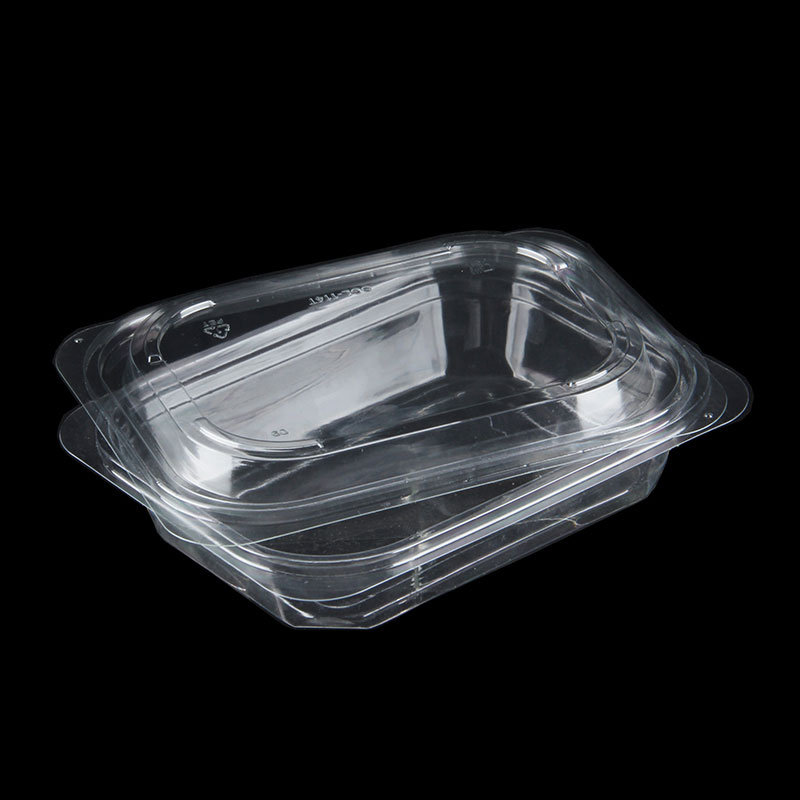
Material science dictates packaging success. Plastics vary wildly in their protective qualities. PET snack packaging currently dominates the retail sector. Polyethylene terephthalate (PET) offers exceptional shatter resistance. It prevents catastrophic spills during transit or in-store stocking. It also mimics the high optical clarity of glass. Shoppers get the premium look without the dangerous breakability. Furthermore, PET features a lightweight shipping profile. This significantly reduces freight expenses across your supply chain.
We must compare PET against common retail alternatives to understand its true value. Each material presents unique trade-offs for snack brands.
Material Comparison Chart: Retail Snack Packaging | |||
Material Type | Primary Advantage | Major Drawback | Retail Viability |
|---|---|---|---|
PET Plastic | High clarity, lightweight, shatterproof. | Can scratch if handled roughly. | Excellent for all retail environments. |
Glass Jars | Ultra-premium feel, impermeable. | Heavy, incurs high freight costs, prone to breakage. | Limited to high-end, low-volume specialty shops. |
Flexible Pouches | Cost-effective, uses less space empty. | Low perceived value, poor crush protection. | Good for economy brands; poor for premium gifting. |
Acrylic | Rigid and thick. | Often lacks FDA food-safe certification. | Avoid for direct food contact without strict validation. |
Sustainability and regulatory compliance remain critical factors. Consumers increasingly demand recyclable packaging. PET is widely accepted in global recycling programs. However, recyclability is only half the equation. You must ensure the material is strictly food-safe. Request compliance certificates from your manufacturers immediately. Documents proving FDA or EFSA compliance are mandatory. These certifications confirm the plastic will not leach harmful chemicals into the dried fruit.
Dried fruits are highly hygroscopic. They actively pull moisture from the surrounding air. This process ruins their chewy texture and accelerates spoilage. You must evaluate the Moisture Vapor Transmission Rate (MVTR) of your packaging. MVTR measures how much moisture passes through a material over time. Retailers need containers featuring exceptionally low MVTR scores. High barrier properties stop humidity from destroying your inventory on the shelf.
The container body relies on its closure system to maintain an internal microclimate. A strong container fails if the lid leaks air. Different sealing technologies offer varying levels of security. You should evaluate closures based on shelf-life goals.
Induction Seals: These foil liners weld to the container rim. They provide a hermetic barrier blocking all oxygen and moisture until opened.
Tamper-Evident Tear Bands: These assure consumers the product remains untouched. They create a tight initial fit but offer less long-term barrier protection after opening.
Silicone-Gasket Lids: These lids compress a silicone ring against the rim. They deliver excellent airtight resealability for consumers at home.
Light exposure introduces another significant risk. UV light degrades beta-carotene in dried apricots and mangoes. It causes unappealing discoloration and flavor loss. You must manage this vulnerability strategically. Some brands use UV-blocking additives mixed into the plastic. Others utilize strategic labeling. They place large opaque labels over light-sensitive areas. Rapid inventory turnover also mitigates light damage. You should balance the desire for transparent displays against the physical reality of UV degradation.
Modern consumers prioritize health and convenience simultaneously. The market shows a massive shift toward grab-and-go snacking. Shoppers want exact calorie counts and macros readily available. The individual food box satisfies this exact demand. It provides a pre-measured serving size. This format commands a higher price per ounce compared to bulk bags. It proves highly lucrative for brands willing to adapt their packaging strategy.
Mixed snacks present unique engineering challenges. You often package chewy raisins alongside dry, roasted almonds. If they share the same open space, moisture migrates. The almonds become soggy. The raisins turn hard as rocks. Compartmentalization solves this issue completely. Multi-compartment containers separate the ingredients using physical walls. This structure stops moisture transfer. It also prevents distinct flavors from cross-contaminating. Your consumers enjoy each ingredient exactly as intended.
Retail shelf space is expensive and highly competitive. Your packaging must utilize every available inch efficiently. Shelf efficiency relies on smart container geometry. Square and rectangular boxes stack perfectly. They optimize the physical footprint better than round jars. Standardized dimensions allow retailers to fit more facings on a single shelf. When you maximize display density, you increase potential revenue per square foot. Grocery buyers notice and appreciate this efficiency.
You must approach supplier claims with healthy skepticism. Many manufacturers market their containers as "airtight" loosely. Generic marketing terms offer zero legal or functional protection. Do not accept these claims blindly. Instruct your procurement team to demand actual barrier testing data. Ask for specific MVTR metrics. Request seal integrity specifications and third-party lab reports. Real suppliers provide this data quickly. Unreliable vendors hesitate or make excuses.
Always conduct physical stress tests before placing a massive order. Your product will face harsh conditions during transit. We recommend a strict sample testing framework to ensure durability.
Drop Tests: Fill the sample with product and drop it from a three-foot height. The container must survive impact without shattering or popping its seal.
Temperature Fluctuation Simulations: Cycle the packaged product between hot and cold environments. This mimics real-world transit realities and tests condensation resistance.
Lid-Cycling Tests: Open and close the lid fifty times. The hinge or seal must remain fully functional to guarantee long-term consumer usability.
Finally, evaluate the financial assumptions surrounding mold designs. You can utilize existing off-the-shelf supplier molds to launch quickly. This avoids upfront tooling investments and usually requires lower Minimum Order Quantities (MOQs). However, investing in custom container designs distinguishes your brand on crowded shelves. Custom tooling requires significant initial capital and longer lead times. You must weigh the branding benefits against the upfront cash requirements and production delays.
Selecting the optimal dry fruit packaging demands a structured evaluation framework. You must prioritize barrier properties first. Protect the product from moisture and oxygen above all else. Next, match the material aesthetic to your brand tier. Food-grade PET offers an ideal balance of clarity and strength. Finally, validate your supplier strictly. Ensure they hold proper FDA or EFSA compliance certificates before moving forward.
Take decisive action to secure your supply chain. Request physical samples from at least three different vendors immediately. Conduct a 30-day accelerated shelf-life test to monitor moisture ingress and visual appeal. Audit the supplier's quality control documentation thoroughly. These proactive steps prevent catastrophic inventory loss and guarantee a premium consumer experience upon launch.
A: Freshness depends heavily on seal quality and barrier thickness rather than just the base material. A thick PET container featuring an induction-sealed foil liner can maintain freshness for 12 to 18 months. Standard flexible pouches often fail sooner because they lack rigid seals and crush protection. High-quality closures matter most.
A: Yes, they often do. If your product sits under harsh fluorescent retail lighting for extended periods, UV-resistant coatings become necessary. UV light degrades colors and vitamins rapidly. Short shelf-life products might skip this coating. Long-term inventory definitely requires UV-blocking additives or strategic opaque labeling to prevent discoloration.
A: Yes, rPET can safely contact food directly. However, it requires strict regulatory compliance. The recycling process must eliminate all prior contaminants. You must obtain FDA or EFSA certificates specifically validating the post-consumer recycled plastic for direct food contact. Never use uncertified recycled plastics for consumables.
A: You must use containers featuring true physical barriers. Simple inserts or low dividers allow air and aromas to mix. Choose compartmentalized packaging where the lid seals tightly against the dividing walls. This completely isolates each section. It prevents both moisture migration and flavor cross-contamination effectively.


