


Phone:
+86-138-0577-0261


Views: 0 Author: Site Editor Publish Time: 2026-09-15 Origin: Site


Shifting consumer demographics rapidly reshape how we buy and eat daily. Smaller households and on-the-go lifestyles now dominate the retail market. Simultaneously, the rising cost of food waste forces manufacturers and retailers to rethink portion sizes entirely. We can no longer rely exclusively on bulk formats.
While pouches and flexible wraps offer basic portion control, they often fail under pressure. They consistently lack the structural integrity required for delicate or premium products. Crushed pastries and pulverized snacks disappoint buyers and damage valuable brand equity.
The individual box bridges the critical gap between strict portion control, reliable product protection, and premium shelf presentation. This rigid format empowers brands to preserve margins efficiently. It also noticeably enhances the daily consumer experience.
Standardizing exact serving sizes physically prevents accidental over-portioning. It stabilizes unit economics for food manufacturers and caterers alike. When you serve a fixed quantity, you eliminate hidden losses. Strict portioning keeps ingredient usage highly predictable. Predictable usage translates directly into protected profit margins. You avoid giving away free product through inconsistent manual scooping. Rigid containers enforce this uniformity automatically during fulfillment.
Consumers frequently complain about large-format packaging. Foods often experience premature staleness once initially opened. Single-serve units address this core frustration perfectly. They guarantee "first-open" freshness every single time you eat. You open only what you plan to consume immediately. The rest of your inventory remains securely sealed. This freshness guarantee drives repeat purchases. It builds immense trust among your customer base.
Rigid individual boxes naturally command a higher perceived value. Shoppers subconsciously compare them against cheap flexible films. This structural superiority actively supports premium pricing models. You can successfully market artisanal or high-end retail foods. A sturdy exterior signals quality inside the package. It tells buyers they are purchasing a top-tier product. Premium presentation directly influences retail purchasing decisions.
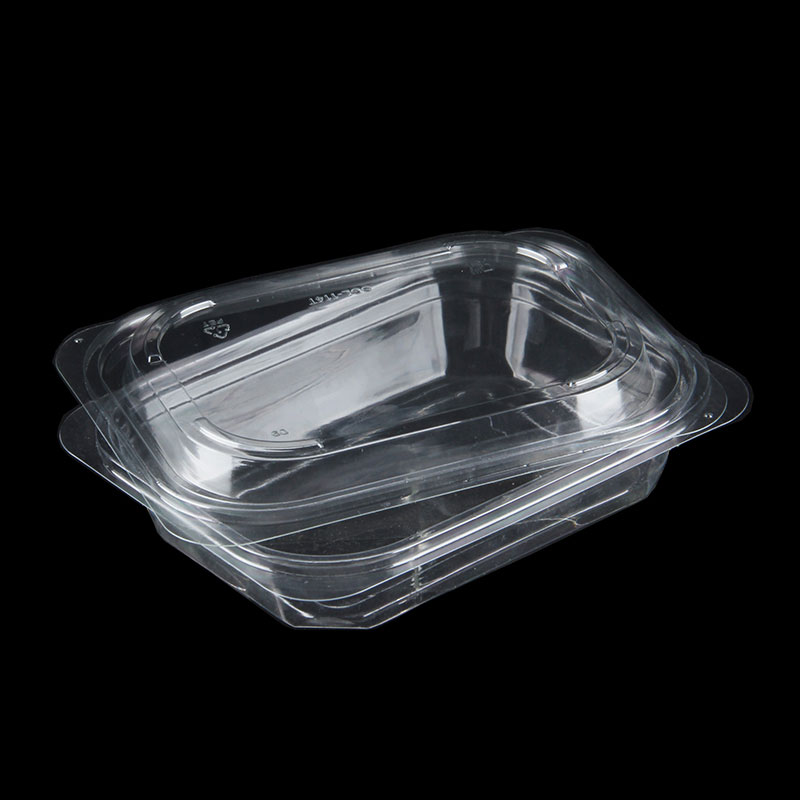
You must carefully analyze the load-bearing capacity of rigid boxes. They undergo significant stress during palletization and retail display. Robust materials prevent loss-inducing physical damage to delicate foods. Structural defense matters immensely for fragile items like baked goods.
Grease-resistant interior coatings remain an absolute necessity for many foods. PLA linings effectively prevent unsightly oil bleed-through. They maintain packaging aesthetics over the product's entire shelf life. Moisture barriers also lock out external humidity. Humidity quickly destroys the crisp texture of dry snacks. You must select barriers matching your specific food profile.
Assembly speed dictates your daily manufacturing output. Utilizing a flip top food box minimizes assembly friction significantly. Workers fold and seal these structures rapidly on the production line. Furthermore, flip tops offer consumers a resealable, user-friendly unboxing experience. They combine operational speed with post-purchase convenience.
Delicate frostings and fragile pastries require specialized defense. Deploying a custom-fit single serve dessert box solves this challenge. These structures physically suspend the baked goods inside. They protect intricate decorations from sudden transit shock. Your bakery items arrive at their destination looking perfect. Visual appeal drives sales in the confectionery market.
Premium snacks require robust protection against environmental factors. Utilizing a rigid dry fruit container provides appropriate barrier properties. It efficiently locks out humidity to extend shelf life. It also caters directly to the growing on-the-go snacking demographic. People easily slip these containers into gym bags or car cup holders.
Corporate catering demands intense spatial efficiency. Leveraging uniform box dimensions enables seamless modular stacking. You maximize space inside commercial refrigeration units. These uniform formats simplify meal-prep deliveries entirely. High-volume catering environments rely on predictable, stackable footprints to maintain order.
| Industry Segment | Optimal Format | Primary Protective Need |
|---|---|---|
| Bakery & Pastry | Single Serve Dessert Box | Suspension and crush resistance |
| Snacks & Nuts | Dry Fruit Container | Humidity barrier and portability |
| RTE Meals | Modular Stackable Box | Thermal retention and stackability |
Many critics point out the increased material volume of single-serve units. We must transparently address this valid trade-off. More packaging units naturally consume more raw materials initially. However, rigid individual units drastically decrease end-consumer food waste. Food production itself carries a massive carbon footprint. Saving the food often offsets the extra packaging material. You must balance both environmental factors carefully.
Brands must rigorously assess their chosen substrates. You should evaluate the commercial viability of kraft paper. Post-consumer recycled (PCR) content offers another excellent avenue. Certified compostable substrates appeal heavily to eco-conscious buyers. Each material presents unique sourcing challenges and aesthetic results.
Your chosen material must align with local municipal recycling infrastructure. A product labeled "compostable" matters little if local facilities cannot process it. Aligning with actual disposal architectures helps you avoid dangerous "greenwashing" claims. It strongly supports authentic corporate ESG goals. You build long-term trust when packaging actually breaks down as promised.
Warehouse storage requirements demand careful calculation. Flat-packed boxes consume significantly less physical space. However, they drastically increase the labor costs of pre-assembly. Complex-fold packaging structures slow down your workers. You must calculate the exact intersection of storage costs and labor speed. Flat storage helps smaller facilities. Fast assembly helps high-volume plants.
Food safety remains absolutely non-negotiable. You must verify all inks, adhesives, and base materials. They must meet strict food-grade certifications for direct contact. Look for FDA approvals or GFSI recognized standards. Non-compliant materials risk severe contamination and costly public recalls. Always request updated certification documents from your suppliers.
You should shortlist suppliers based on specific operational metrics. Minimum Order Quantities (MOQs) greatly impact your cash flow. Lead times for custom dimensions dictate your launch schedule. Assess their ability to scale production rapidly. They must handle seasonal demand spikes without compromising quality.
| Criteria | Low Volume Strategy | High Volume Strategy |
|---|---|---|
| Storage Format | Pre-assembled for fast use | Flat-packed to save space |
| Vendor MOQs | Seek flexible, low MOQ partners | Negotiate bulk raw material locks |
| Customization | Stock sizes, custom labels | Fully custom dimensions |
Individual boxes neatly solve a modern dual challenge. They meet consumer demand for ultimate daily convenience. Simultaneously, they fulfill core business requirements for premium product protection. Brands successfully maintain margin control while delivering elevated experiences.
Buyers should take immediate action regarding material testing. Request physical samples from suppliers for real-world stress testing. Perform rigorous moisture barrier checks and edge crush tests internally. You must validate performance before committing to any full production run.
Consult with a specialized packaging engineer today. They can audit your current product dimensions efficiently. Let them identify the most protective, cost-effective single-serve structure available. Elevate your brand presentation and protect your product integrity simultaneously.
A: No, it frequently extends it. Rigid structures readily integrate high-performance barrier coatings. They also accommodate modified atmosphere packaging (MAP) compatibility. These elements trap protective gases and block oxygen. Your product remains fresh longer without losing structural protection during rough transit.
A: A flip top structure greatly accelerates your line speed. Auto-bottom crash-lock formats snap into place almost instantly. This drastically differs from manual fold structures requiring complex assembly. This inherent efficiency reduces labor friction and consistently boosts daily fulfillment volumes.
A: Many rigid boxes feature dedicated food-safe poly-coatings. These coatings are specifically designed for direct food contact. However, high-fat items often require extra interior defense. If your pastries produce heavy grease, you might need glassine liners to maintain exterior aesthetics.


