


Phone:
+86-138-0577-0261


Views: 0 Author: Site Editor Publish Time: 2026-08-06 Origin: Site


Retail shrinkage in the berry category constantly destroys profit margins. Physical crushing and mold from condensation remain relentless, everyday threats. Poor packaging choices amplify these costly risks exponentially. Selecting the ideal blueberry box involves much more than simple aesthetics. It serves as a crucial logistics and margin-protection decision. Distributors and retailers rely on proper containers to safeguard delicate fruit. We offer an objective, evidence-based framework below. You will learn to evaluate different packaging materials effectively. We explore essential ventilation mechanics alongside cold-chain durability. Procurement teams face immense pressure to minimize waste daily. This guide helps you make informed, risk-averse purchasing decisions. You can protect your produce and improve shelf-life significantly. Understanding these structural mechanics ensures you select containers built for real-world supply chain demands. Strong decisions here will keep your fresh inventory moving seamlessly.
Poor structural integrity directly leads to bottom-tier berry crushing. Master cartons stack multiple layers high on standard distribution pallets. The bottom layers bear immense weight during transport. Weak clamshells bend under this sustained vertical pressure. Crushed berries release juices immediately. These juices spread rapidly to neighboring containers. This chain reaction destroys entire pallets before they reach store shelves. Strong container designs utilize reinforced ribbed corners. They distribute weight evenly across the entire footprint. You need robust sidewalls to survive long-haul trucking vibrations. Proper structural support directly minimizes physical shrinkage.
Temperature fluctuations create dangerous condensation cycles during transit. Pallets move from cold trucks into warm receiving docks. Water droplets form rapidly on the fruit surface. Mold spores thrive under these exact damp conditions. Rapid mold growth renders premium berries completely unsellable. Your packaging must facilitate rapid cooling and manage internal humidity. Some boxes trap heat. This trapped heat accelerates deterioration within hours. Consistent cold chain management relies heavily on packaging performance. You must choose containers designed to mitigate these precise temperature risks.
Cheap packaging creates massive hidden labor expenses. Consider the daily reality of modern convenience stores. Staff often receive bulk shipments containing damaged boxes. Employees waste valuable labor hours sorting through mushy fruit. They meticulously repackage surviving berries into new containers. This tedious process drains operational budgets quickly. It also introduces food safety handling risks. High-quality packaging prevents this entire scenario from happening. Upfront investments in stronger containers eliminate these secondary labor drains entirely.
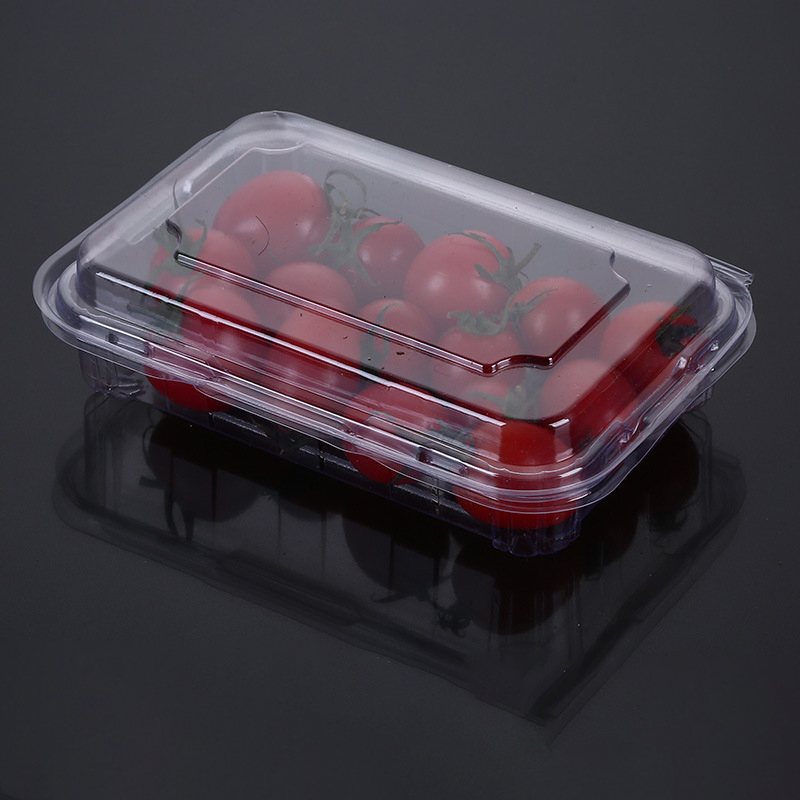
The standard PET berry box dominates modern produce aisles for good reason. Polyethylene terephthalate (PET) delivers exceptional physical performance. It resists shattering upon impact. It provides superior visual clarity for product inspection. Recycling facilities globally accept PET materials readily. Production scales beautifully, keeping unit costs highly competitive.
However, PET carries distinct industry drawbacks. Its pricing remains highly susceptible to fluctuating global petroleum costs. Many corporate mandates now demand strict zero-plastic ESG compliance. Traditional PET does not meet these aggressive sustainability targets. You must balance its unmatched performance against shifting environmental policies.
Pulp and biodegradable alternatives capture significant market attention today. They boast strong commercial backing for corporate ESG initiatives. Consumers respond positively to their rustic, eco-friendly appeal. Biodegradable plastics also enter the market targeting premium demographics.
You must address the transparent assumptions surrounding these materials. Sustainable options often carry a steep 15–30% cost premium. Paper pulp absorbs moisture rapidly in humid cold chains. Manufacturers must apply careful moisture barrier coatings. These opaque materials also limit fruit visibility entirely. Shoppers cannot inspect the bottom layers without opening the box. This limitation often reduces overall retail conversion rates.
We created a simple comparison chart below. It helps you navigate these competing material priorities.
| Use Case Scenario | Recommended Material | Primary Justification |
|---|---|---|
| Long-haul export & high-volume retail | PET Plastic | Maximum structural strength, lowest unit cost, clarity. |
| Local farm-to-table & premium markets | Molded Pulp / Paperboard | Aligns well with eco-conscious buyer demographics. |
| Strict corporate ESG compliance zones | Recycled PET (rPET) | Maintains clear visibility while using post-consumer waste. |
| Specialty organic delivery boxes | PLA (Polylactic Acid) | Compostable appeal for direct-to-consumer subscriptions. |
Modern retail environments rely heavily on 360-degree product visibility. Consumers demand visual proof of freshness before purchasing. A transparent berry container showcases the fruit beautifully. Shoppers can inspect the vibrant colors instantly. They do not need to pry the container open. Clear sidewalls highlight the premium quality of the harvest. This visual merchandising strategy directly accelerates shelf turnover. Obscured products simply sit longer in modern grocery displays.
Shoppers actively seek out hidden mold. They often open opaque or poorly designed containers. This consumer tampering damages hinges and spills fruit. Loose berries create dangerous slip hazards on supermarket floors. Clear, secure-locking clamshells reduce this behavior dramatically. Buyers can check the bottom layer visually. Robust button-locks secure the lid tightly during handling. You reduce unsellable merchandise by preventing unnecessary human contact. A clear view builds instant consumer trust.
Brands naturally want prominent logos and nutritional information. You must balance branding with essential product visibility. Oversized stickers block the consumer's view of the berries. We recommend utilizing minimal top-panel labels. Leave the bottom and sidewalls completely unobstructed. Some suppliers offer direct printing on the plastic lid. This approach removes bulky paper labels entirely. You maintain crucial clarity while delivering a strong brand message.
Freshly harvested berries hold significant field heat. They require rapid forced-air cooling immediately after picking. Standard logistics depend heavily on strategically placed ventilation holes. These cooling slots allow chilled air to pull through the stacked pallets. Cold air enters the front and exits the back. This process drops the internal temperature rapidly. Proper venting prevents early decay and extends shelf life. Slotted designs also allow condensation to evaporate naturally. The majority of commercial berry distribution relies on these porous structures.
Certain advanced supply chains require completely different ventilation rules. Specialized Modified Atmosphere Packaging (MAP) uses sealed environments. You utilize non porous fruit packaging here to block external airflow. Producers inject specific gas mixtures into the sealed tray. They manipulate oxygen and carbon dioxide levels precisely. This drastically slows the respiration rate of the berries. MAP can extend shelf life by several weeks for overseas shipping. It serves a very specific, narrow use case.
You must approach non-porous designs cautiously. This strategy demands flawless temperature control. Non-porous packaging traps moisture instantly if temperatures fluctuate. Without precise cold-chain controls, berries experience catastrophic anaerobic decay. The trapped fruit begins to ferment rapidly. Whole shipments can turn into alcoholic mush within days. Only implement sealed packaging if you possess end-to-end cold chain mastery.
Footprint standardization dictates your ultimate freight efficiency. Containers must fit perfectly inside standard shipping flats. Master cartons must align perfectly on standard pallets. Even a millimeter of overhang causes load instability. You lose structural integrity when cartons do not align. Evaluating dimensional accuracy maximizes your pallet density safely. More boxes per pallet reduces your per-unit shipping burden. Always verify the external dimensions of the closed clamshell precisely.
International shipping requires rigid food-safe certifications. You cannot clear customs without proper documentation. Ensure your supplier holds current FDA, ISO, or BRC certifications. These documents prove the plastics contain no harmful chemical migrations. They also verify the manufacturing facility meets global hygiene standards. Missing certifications cause expensive delays at border checkpoints. Always request updated certificates before signing annual contracts.
Berry harvests follow strict seasonal peaks. Your supplier must align their production cycles accordingly. Delayed packaging deliveries leave freshly picked fruit rotting in fields. You must negotiate realistic Minimum Order Quantities (MOQs) early. High MOQs offer better unit pricing but tie up warehouse space. Lower MOQs provide agility but increase your average container price. Discuss peak-season production capacity with your chosen vendor.
Never commit to bulk B2B contracts blindly. You must evaluate physical samples yourself. We recommend a strict physical testing protocol. Request sample batches from your top three suppliers.
Selecting the best blueberry box aligns directly with your specific supply chain realities. You must balance material costs against cold-chain performance and retail visibility. PET remains the dominant standard, but sustainable options continue to evolve rapidly. Remember, airflow mechanics dictate freshness. Vented designs cool fruit quickly, while sealed designs require flawless MAP logistics. Visual clarity consistently drives higher retail sales.
Procurement teams should take immediate action based on these principles. Audit your current shrinkage rates to identify structural weak points. Request material samples from verified suppliers. Conduct localized stress tests simulating your specific transport routes. By prioritizing structural integrity and visibility, you will protect your margins and deliver superior produce.
A: Standard retail sizes cater to consumer snacking habits. Common weights include 4.4 oz, 6 oz, 1 dry pint, and 18 oz bulk packs. The container volumes vary specifically to accommodate these weights without crushing the berries. Retailers typically favor the 1 dry pint clamshell for everyday grocery displays.
A: Fogging occurs due to rapid temperature shifts. Moisture inside the box condenses when moving from warm loading docks to open retail coolers. Premium containers utilize special anti-fog coatings during the extrusion process. These coatings force water droplets to spread flat, maintaining clear visibility through the plastic.
A: It depends heavily on your target demographic. Sustainable materials demand a higher upfront unit cost. However, premium organic markets often accept higher retail price points. You can generate strong brand-loyalty gains among eco-conscious shoppers. Mainstream discount retailers usually find the cost premium difficult to absorb.


