


Phone:
+86-138-0577-0261


Views: 0 Author: Site Editor Publish Time: 2026-09-08 Origin: Site


Third-party delivery apps have drastically compressed restaurant margins over recent years. You already know every penny counts when operating a commercial kitchen. Today, smart packaging serves as a critical lever for customer retention and strict cost control.
Operators constantly fight a central conflict during service. You must balance beautiful presentation, temperature retention, and leak prevention against brutal unit economics. Mounting environmental regulations add another complex layer to this daily challenge.
This article acts as your no-nonsense, operational guide to evaluating materials. We will show you how to avoid costly refund triggers like catastrophic spills and crushed food. You will learn exactly how to select the right plastic food box for your specific menu items.
Packaging failures directly erode your bottom line. We must view containers as functional insurance policies for the food inside. When you choose inadequate materials, you invite chaos into your revenue stream.
You can connect poor container performance directly to financial losses. Leaky bases or crushed lids account for a massive percentage of delivery app refunds. Customers quickly leave negative reviews when their dinner arrives in a messy puddle. These reviews destroy your digital reputation. A compromised seal does not just ruin a single meal. It permanently costs you a repeat buyer. Managing these complaints consumes valuable managerial time during peak service hours.
Containers endure severe physical stress during transit. They sit for 20 to 40 minutes inside insulated, high-humidity driver bags. Couriers often stack multiple orders haphazardly. This creates intense vertical pressure on the bottom tier. Potholes and hard braking introduce lateral vibration. Cheap containers crack under this sudden force. Hot food generates internal steam. This steam softens weak plastics and forces poorly designed lids to pop open mid-journey.
Container design drastically impacts your kitchen pacing. Expediting lines demand speed and rhythm. Hard-to-close lids destroy this rhythm. When staff struggle to snap a lid shut, ticket times increase. Non-nesting containers clutter the valuable expo station counter space. This forces staff to constantly restock bulky towers of packaging. You need intuitive, fast-closing solutions to survive Friday night rushes.
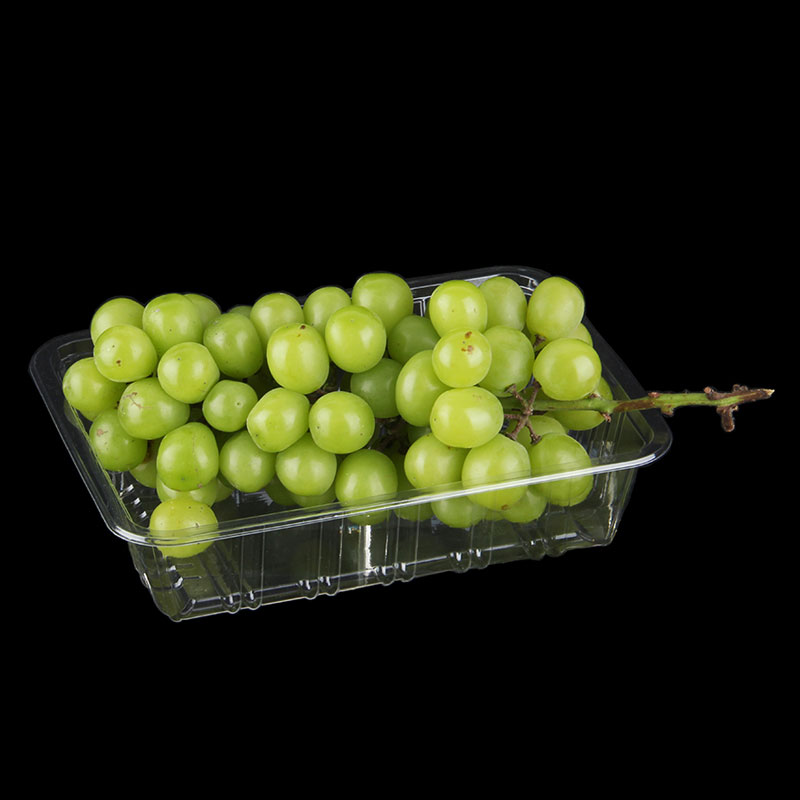
Selecting the right polymer dictates how well your food survives the journey. The industry relies heavily on two dominant plastics. Each possesses distinct chemical properties tailored to specific thermal environments.
Polypropylene dominates the hot food sector. Manufacturers engineer this material to withstand intense thermal stress. It feels slightly softer than other plastics but flexes rather than shatters under pressure.
Polyethylene Terephthalate rules the cold food category. Premium brands leverage its premium aesthetic to drive visual appetite appeal. When you need a clear food container, PET delivers unmatched results.
| Feature | Polypropylene (PP) | Polyethylene Terephthalate (PET) |
|---|---|---|
| Heat Tolerance | Up to 250°F (121°C) | Up to 160°F (71°C) |
| Microwave Safe? | Yes | No |
| Visual Clarity | Cloudy / Translucent | Glass-like / Transparent |
| Best Menu Fit | Hot Soups, Curries, Pasta | Salads, Sushi, Cold Bowls |
You cannot adopt a one-size-fits-all approach. Every distinct culinary profile demands specific structural support. Using the wrong disposable food packaging box ruins your chef's hard work before the customer even takes a bite.
Soups present the highest spill risk in your entire operation. They require injection-molded PP containers. You must insist on engineered snap-fit or threaded leak-proof lids. Boiling liquids generate massive steam pressure inside the sealed cavity. Minor ventilation is necessary to prevent this steam pressure from popping the lid off during bumpy transit. Always avoid hinged clamshells for liquids. Clamshell hinges cannot form a watertight perimeter seal.
Crispy foods act as moisture magnets. They release heavy steam as they travel. Tightly sealed environments trap this moisture. The resulting condensation drips back onto the food, causing instant sogginess. Fried items require specific ventilation holes to release condensation. You must accept a minor trade-off here. Venting sacrifices some heat retention to preserve the essential crispness.
Appearance drives the perceived value of cold items. Deploy a PET food delivery box to completely prevent wilting and beautifully showcase ingredient freshness. These premium items often feature contrasting textures. Consider compartmentalized bento-style trays. These physical barriers keep wet ingredients like dressings completely separate from dry components like croutons until actual consumption.
Smart procurement requires rigorous physical testing. Never sign a bulk purchase order based purely on a digital catalog image. You must evaluate four distinct mechanical dimensions before committing your packaging budget.
Environmental regulations shift constantly across different municipalities. You must navigate these rules pragmatically. Avoid falling into marketing traps. Focus purely on functional realities and verifiable local recycling capabilities.
We acknowledge the heavy consumer pressure for plastic alternatives. Diners frequently request bagasse or paper options. However, you must note their strict operational limits for wet foods. Paper fiber absorbs moisture quickly. This leads to bottom sogginess and structural collapse. Fiber containers also demand significantly more storage bulk. Furthermore, they carry a notably higher cost per unit, eroding your tight margins.
You should focus on actual, verifiable recyclability. Both PET and PP rank as highly recyclable materials. Yet, local municipal facilities ultimately dictate actual recovery rates. Do not rely on vague green claims. Pay close attention to color choices. Black plastic remains virtually invisible to optical sorters at most modern recycling plants. The near-infrared lasers cannot detect carbon black pigment. Always opt for clear or white bases to genuinely ensure end-of-life recycling success.
Recent legislation changes the packaging landscape globally. We must briefly note the massive shift away from molded fiber. Historically, fiber manufacturers relied heavily on PFAS chemicals to achieve necessary grease resistance. New health regulations ban these forever chemicals. This regulatory shift heavily validates high-quality, recyclable plastics as a safe, compliant, and highly reliable alternative in strict jurisdictions.
Mastering delivery packaging protects your culinary reputation and your profits. You must map specific materials directly to menu temperatures. Prioritize strong seal mechanics to eliminate refund risks. Streamline your lid SKUs to keep your kitchen running fast.
We strongly recommend a mandatory physical "commute test" before committing to any bulk order. Fill your proposed sample containers with hot and wet menu items. Stack them aggressively in a standard delivery bag. Drive them around your neighborhood for 30 minutes. Simulate real-world potholes and hard stops. Open the bag and inspect the damage.
Take action today. Audit your current delivery refund data over the past month. Identify exactly which menu items trigger structural packaging failures. Once you isolate the problem dishes, order targeted samples of high-grade PP or PET replacements to fix the leaks permanently.
A: No. PET plastic has a low heat tolerance and will warp, melt, or leach if microwaved. Customers must transfer food to a microwave-safe dish, or the restaurant should use PP containers for hot foods.
A: A tightly sealed container traps steam, creating condensation that ruins crispy textures. Use vented PP containers specifically designed for fried items.
A: Hinged (clamshell) containers are one continuous piece, offering fast packing but generally weaker leak resistance. 2-piece (container plus separate lid) setups offer a tighter, snap-fit perimeter seal ideal for liquid-heavy delivery.
A: Yes, operationally. The optical scanners in many municipal recycling facilities use near-infrared light, which cannot detect carbon black pigment, causing these items to be sent to landfills even if the plastic type is technically recyclable. A clear food container avoids this issue.


