


Phone:
+86-138-0577-0261


Views: 0 Author: Site Editor Publish Time: 2026-06-25 Origin: Site


Supermarket produce aisles operate on incredibly tight margins. Visual appeal directly drives consumer sales. Unfortunately, poor packaging accelerates spoilage and drastically increases retail shrinkage. Shoppers bypass bruised or hidden produce.
Selecting a transparent fruit box isn't just about aesthetics. It represents a critical operational decision. Procurement teams must balance post-harvest engineering, supply chain durability, and retail display density. The right container manages ventilation and controls condensation. It also prevents delicate items from crushing during transit.
This guide breaks down the technical and commercial criteria for selecting the optimal packaging format. You will learn how to evaluate materials and structural designs. We will help you maximize shelf life, ensure strict food safety compliance, and ultimately drive higher consumer conversions.
Material matters: The transparent PET fruit box remains the industry standard due to its high clarity, shatter resistance, and recyclability.
Geometry dictates logistics: A clear plastic rectangle fruit box maximizes pallet density and shelf space utilization compared to round or irregular shapes.
Condensation kills produce: Anti-fog coatings and scientifically placed ventilation holes are non-negotiable for refrigerated supermarket displays.
Supplier vetting: Shortlisting requires verifying food-grade certifications (e.g., FDA, BRC), assessing tooling costs for custom designs, and evaluating bulk scalability.
Supermarkets face a constant tension between visibility and protection. Consumers want to inspect fresh produce from every angle. They demand perfectly ripe, blemish-free fruit. However, maximizing visibility often compromises structural integrity. Flimsy containers expose fruit to rough handling. Bruising occurs when boxes lack rigid support. You must select packaging providing a clear window without sacrificing structural strength. A weak container inevitably leads to damaged goods and lost revenue.
Fresh fruit remains biologically active long after harvest. It continues to consume oxygen and release carbon dioxide. We call this process respiration. Different fruits exhibit vastly different respiration rates. Berries respire rapidly and demand high airflow environments. Conversely, stone fruits require specific moisture retention levels to prevent premature shriveling. Packaging acts as a microclimate. You cannot place high-respiration fruit in a sealed box. The trapped ethylene gas will accelerate ripening and trigger rapid decay. Post-harvest engineering ensures the container precisely matches the biological needs of the enclosed produce.
Retailers must frame their packaging investments against the direct cost of shrink. Spoilage and physical damage erode profit margins daily. Furthermore, poor container clarity destroys premium pricing strategies. When a box looks dull or cloudy, the fruit inside appears less fresh. Shoppers perceive lower value. Upgrading to high-clarity materials protects your pricing power. The initial cost increase of premium packaging often pays for itself by dramatically reducing in-store waste.
Plastics vary wildly in their chemical properties and retail applications. A direct comparison reveals clear winners for fresh produce.
Polyethylene Terephthalate (PET) dominates the market. A transparent PET fruit box offers superior, glass-like clarity. It showcases vivid fruit colors flawlessly. PET also boasts high physical toughness. It resists cracking during rough transit. Furthermore, PET benefits from a robust, globally recognized recycling infrastructure.
Polypropylene (PP) serves a different purpose. It features excellent heat resistance. Manufacturers use PP for hot-fill food applications. However, it lacks optical clarity. PP containers often have a milky or hazy appearance. This haze reduces impulse purchases in the produce aisle.
Oriented Polystyrene (OPS) provides decent clarity. Yet, it suffers from extreme brittleness. OPS cracks easily under moderate pressure. It cannot survive the rigors of modern grocery supply chains.
Supermarkets increasingly mandate sustainable packaging solutions. Recycled PET (rPET) answers this demand. It utilizes post-consumer waste to create new containers. Sourcing high-quality, food-grade rPET requires advanced sorting facilities. These processes add manufacturing costs. Despite the premium, many retailers insist on rPET to meet internal environmental, social, and governance (ESG) goals. You must weigh these material costs against retail compliance requirements.
Polylactic Acid (PLA) frequently appears as a green alternative. However, PLA struggles in fresh fruit environments. Fresh produce generates high moisture levels. PLA absorbs this moisture over time. The material begins to break down prematurely. It also develops a cloudy appearance within days. This cloudiness destroys retail visibility. For most extended supply chains, PLA remains an inferior choice compared to PET.
Material | Optical Clarity | Durability | Best Application |
|---|---|---|---|
PET | Excellent (Glass-like) | High (Shatter-resistant) | Premium fresh produce display |
PP | Poor (Milky/Hazy) | High (Heat-resistant) | Hot-fill foods, microwaves |
OPS | Good | Low (Brittle) | Lightweight bakery items |
PLA | Good (Initially) | Low (Moisture sensitive) | Dry, short-shelf-life goods |
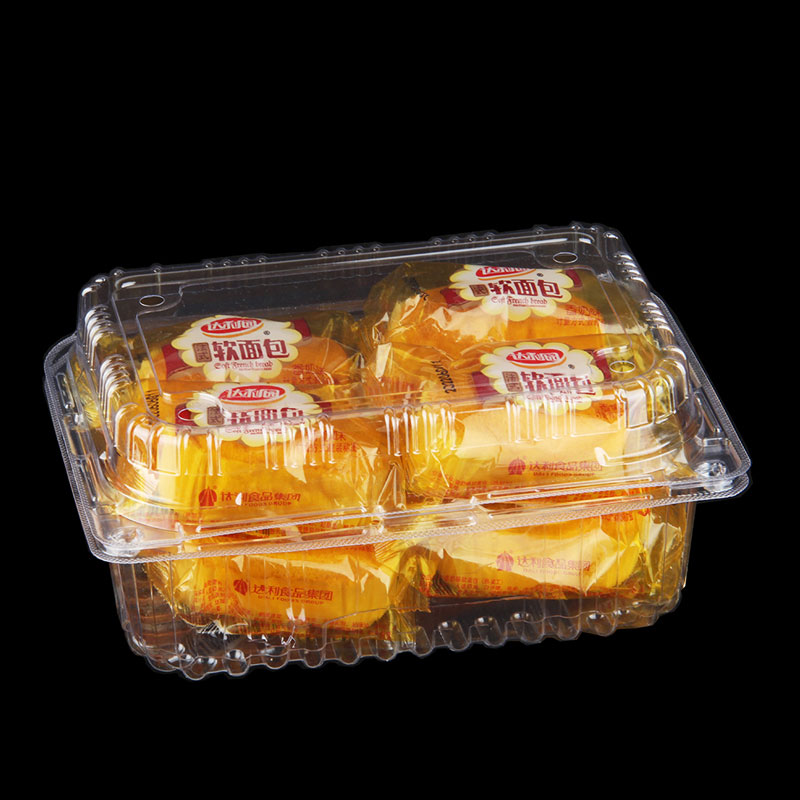
Geometry plays a massive role in supply chain efficiency. Round or irregular containers waste valuable shipping space. A clear plastic rectangle fruit box solves this problem entirely. Rectangular formats dominate business-to-business procurement for several reasons. They nest efficiently during empty shipping, drastically lowering freight expenses. They also provide an exact fit for standard European modular display crates. This exact fit eliminates zero wasted shelf space. Retailers can pack more product per square foot.
You generally choose between two primary structural formats: clamshells and top-seal punnets.
Clamshell containers remain incredibly popular. They feature built-in, hinged lids. This design allows for rapid manual packing in agricultural packinghouses. Consumers appreciate clamshells because they are highly resealable. You can eat half the berries and snap the lid shut for later.
Top-seal punnets represent a growing industry trend. A punnet is simply an open tray. Manufacturers apply a thin, heat-sealed film across the top. This method reduces total plastic volume by 20 to 30 percent. However, it requires specialized, expensive sealing machinery. The resulting package offers excellent tamper evidence and a sleek, modern look.
Supermarkets display produce in vertical stacks. The bottom containers bear the entire weight of the display. Without structural support, the bottom tier will crush. Containers require engineered, reinforced ribbing. These vertical ribs transfer weight safely to the display base. Proper ribbing ensures fruit remains unbruised, even in massive multi-layer promotional displays.
Consider these essential structural priorities:
Assess pallet utilization ratios to minimize empty air transport.
Ensure the lid locking mechanism withstands automated handling.
Verify corner ribbing strength for multi-layer supermarket stacking.
Test nesting release speed for packinghouse efficiency.
Fruit experiences severe temperature fluctuations. It moves from cold-chain distribution centers to ambient supermarket shelves. This transition causes rapid condensation. Water droplets form on the inside of the plastic. This fog obscures the fruit and encourages microbial growth. Manufacturers apply specialized anti-fog treatments during production. These treatments reduce surface tension. Water spreads into a thin, transparent layer instead of forming droplets. Anti-fog preserves visual clarity and protects your brand image.
A sealed supermarket fruit box becomes a greenhouse. It traps heat, moisture, and ethylene gas. You need strategic ventilation to keep fruit alive. Engineers design specific venting architectures. They place holes along the sides and bottom of the container. This placement allows continuous airflow, even when boxes sit tightly packed in multi-layer displays. Proper ventilation extends shelf life without compromising the box's structural integrity.
Food safety concerns drive consumer behavior. Shoppers want guarantees nobody touched their food. Retailers face losses from in-store grazing. Shoppers occasionally open boxes, eat a few grapes, and put the container back. Tamper-evident locks solve this issue. These designs require users to snap a tear-away tab to open the box. A broken tab instantly signals interference. This feature builds immense consumer trust prior to purchase.
Operational efficiency depends on seamless scanning. Automated checkout systems require perfectly flat barcodes. Packaging must include smooth top or bottom panels. Ribbing cannot cross these designated labeling zones. If a label wrinkles over a structural ridge, scanners fail. Smooth surfaces also accommodate mandatory nutritional labels and farm-origin branding.
Technical Feature | Primary Benefit | Operational Impact |
|---|---|---|
Anti-Fog Coating | Maintains optical clarity | Increases impulse purchase conversions |
Strategic Ventilation | Manages ethylene and moisture | Extends retail shelf life |
Tamper-Evident Tabs | Prevents in-store grazing | Reduces unrecorded inventory shrink |
Smooth Label Panels | Ensures barcode readability | Speeds up automated checkout |
You cannot compromise on food-contact safety. Sourcing a plastic fruit container requires rigorous supplier vetting. Demand up-to-date mandatory certifications. Look for ISO 22000 and HACCP credentials. Ensure all materials comply strictly with FDA or EU food safety regulations. These documents prove the supplier uses uncontaminated raw materials and safe extrusion processes.
Examine the supplier's production environment. High-quality food packaging demands cleanroom manufacturing. Contaminants must stay out of the plastic melt. Evaluate their precision thermoforming capabilities. Imprecise molds create warped lids. A warped lid will not snap closed securely. Consistent lid closure is vital for high-speed automated packing lines.
Procurement teams frequently debate tooling costs. Custom molds offer unique branding shapes and exact weight calibrations. However, they require significant upfront investment and high minimum order quantities (MOQs). Evaluate your return on investment carefully. Standard, off-the-shelf stock sizes often provide faster speed-to-market. They also carry lower MOQs, freeing up working capital.
Your packaging supplier must deliver on time, every time. A missed delivery halts the entire packinghouse. Address their supply chain resilience early. Investigate their consistent lead times. Ask about their nesting efficiency to reduce your inbound freight costs. Finally, ensure they possess scalable production capacity to handle your seasonal harvest spikes.
Finding the perfect transparent fruit box involves calculating multiple variables. You must balance the premium clarity of PET with the spatial efficiency of rectangular formats. You also need precise ventilation to manage post-harvest biology. Ignoring these technical requirements guarantees higher spoilage rates and lost revenue.
We strongly encourage procurement teams to audit current operations. Review your in-store shrink rates. Examine your average shelf-life metrics. These numbers will quickly reveal if your current packaging fails to protect your produce.
Take proactive steps today. Request a sample pack from certified manufacturers. Review their technical specification sheets detailing airflow and crush resistance. Consult with a packaging engineer to conduct live transit tests on your specific fruit varieties.
A: PET offers the highest optical clarity, mimicking glass. This clarity drives impulse retail sales. It also provides the necessary rigidity to protect soft produce from crushing. Furthermore, PET is globally recognized and highly recyclable.
A: No. Standard rectangular footprints are universally available off-the-shelf. They are specifically designed to fit modular European crates. Custom molds are only necessary if you require proprietary branding or highly unique weight capacities.
A: Fresh fruit continues to respire after harvest. Ventilation holes allow trapped ethylene gas and excess moisture to escape safely. This airflow prevents the humid, stagnant environment that rapidly accelerates mold growth and decay.
A: They carry a slight premium due to the complex manufacturing tooling required for breakaway tabs. However, retailers frequently offset this minor cost increase through massive reductions in unrecorded in-store grazing, spoilage, and enhanced consumer trust.


