


Phone:
+86-138-0577-0261


Views: 0 Author: Site Editor Publish Time: 2026-06-27 Origin: Site


Fresh produce delivery operates under notoriously high stakes. Profit margins run dangerously narrow across the supply chain. Produce remains highly perishable from the moment it leaves the farm. Customers show zero tolerance for bruising, mushiness, or spoilage upon arrival. Standard hot food takeout containers fail miserably here. They trap heat and block vital airflow. Fresh fruit demands something entirely different. Cut and whole fruits continue to respire long after harvest. They require precise moisture control to survive humid transit environments. Enter the engineered disposable fruit box. This specialized packaging balances post-harvest science, operational logistics, and visual merchandising. You will learn how precise ventilation manages ethylene gas. You will discover why high material clarity drives consumer trust. We will also explore how structural rigidity prevents crush damage during multi-tier stacking. Protecting your fresh goods protects your brand reputation. Making informed packaging decisions ensures better product arrivals and happier customers.
Properly ventilated disposable fruit boxes extend shelf life by managing ethylene gas and moisture buildup.
High-clarity materials like PET drive consumer trust by offering 360-degree visibility of fresh produce.
Structural rigidity prevents crush damage during multi-tier stacking in delivery networks.
Selecting the right packaging requires balancing unit cost, local recycling compliance, and specific crop respiration rates.
Inadequate containers directly inflate business "shrink." Shrink includes rapid spoilage, severe transit bruising, and costly customer refunds. Many operators view packaging as a basic line-item expense. Instead, view it as an active margin protector. Fresh fruit behaves unlike cooked food. Whole and cut fruits continue to "breathe" post-harvest. This respiration releases moisture and ethylene gas continually.
Poor takeaway fruit packaging traps this expelled moisture. Condensation builds rapidly against the interior walls. Mold spores multiply aggressively in damp, stagnant environments. Furthermore, trapped ethylene acts as an invisible ripening hormone. It turns fresh, firm berries into mush before they ever reach the buyer.
Let us outline the financial drain points of subpar packaging:
Increased refund rates due to crushed berries and damaged goods.
Severe brand damage from delivering moldy or fermenting items.
Massive operational waste when pre-packed goods spoil in cold storage.
Wasted labor hours spent repacking or sorting out damaged inventory.
According to post-harvest engineering principles, optimal gas exchange models dictate true shelf life. Treating your packaging choice as a strategic asset preserves product quality. It stops revenue leaks before they happen.
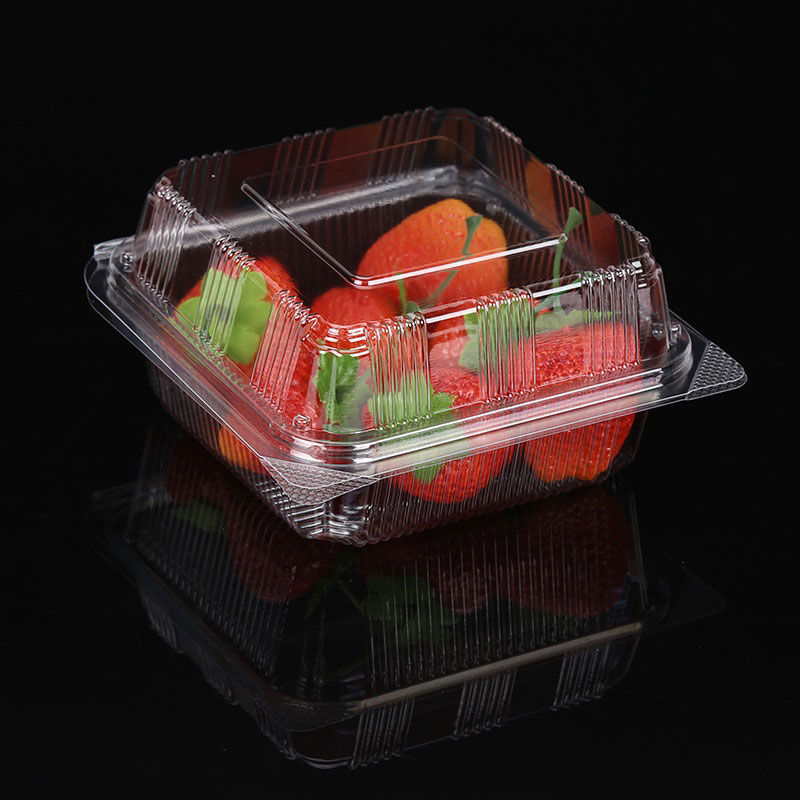
Evaluating packaging requires looking past the unit price. You must analyze structural and functional dimensions critically to ensure success.
Load-bearing capacity matters heavily. Distribution centers stack pallets dangerously high. Gig-economy drivers stack heavy orders inside soft thermal bags. Flimsy walls lead to disastrous bottom-tier collapse. You need rigid corners and engineered ribbed sidewalls. These features distribute downward pressure safely.
Proper ventilation stands paramount for fresh goods. Side and top vents allow ambient cooling air to penetrate. They maintain the necessary gas exchange model. A completely sealed box spells disaster for high-respiration crops.
Modern shoppers buy with their eyes. Transparency serves as a primary conversion factor. Consumers demand 360-degree visibility. They inspect carefully for rot or bruising before accepting an order. Opaque containers breed instant mistrust and hesitation.
Locking mechanisms prevent messy transit spills. Hinged clamshells offer seamless, one-piece operations for fast packing. Separate lids provide excellent tamper evidence. Consider tamper-evident tear tabs. They reassure customers deeply about food safety and hygiene.
Table 1: Packaging Evaluation Matrix | ||
Dimension | Optimal Feature | Risk of Failure |
|---|---|---|
Crush Resistance | Ribbed sidewalls, reinforced corners | Product bruising, stacking collapse |
Airflow Management | Engineered side and top venting | Mold growth, rapid over-ripening |
Visual Clarity | Glass-like transparency | Consumer mistrust, reduced sales |
Closure Security | Tamper-evident locks, tight seals | Transit spills, contamination fears |
Material science dictates packaging performance entirely. Among available commercial plastics, Polyethylene Terephthalate (PET) dominates the fresh produce sector. A high-quality PET fruit container delivers unmatched visual presentation. It offers stunning, glass-like clarity. Shoppers clearly see the vibrant colors of fresh berries or precision-cut melons. Fiberboard obscures the product completely. Alternative plastics like polypropylene often appear milky or hazy under retail lighting.
The cold-chain journey stresses packaging materials immensely. PET excels remarkably here. It transitions smoothly from refrigerated transport trucks to ambient retail displays. It resists cracking or shattering in standard commercial coolers.
Single-Use Plastic Products (SUPP) face heavy regulatory scrutiny today. We must address this objectively. PET holds a distinct advantage in global waste streams. It carries the widely recognized Resin Identification Code #1. Municipalities globally accept it in curbside recycling programs. Verifiable recyclability always trumps vague marketing claims. When sorted correctly, PET reenters the circular economy efficiently. This material choice aligns with stringent corporate sustainability mandates. It achieves this without sacrificing crucial structural performance.
Even well-funded operations make packaging mistakes regularly. Rushing a rollout exposes your supply chain to critical, expensive failures. You must anticipate these operational hurdles.
One size never fits all in fresh produce. Different crops have vastly different respiration rates. Blackberries need exceptionally high airflow. Cut watermelon requires a tighter, more sealed environment to retain hydration. Using a highly ventilated fruit veg box for moisture-sensitive items causes rapid dehydration. Conversely, sealing high-respiration items accelerates fungal decay.
Many buyers underestimate necessary wall thickness. Humid transit environments soften inferior plastics quickly. Bottom tiers collapse under heavy pallet weight. This destroys the delicate product inside completely.
Regulatory environments shift rapidly across borders. Failing to verify material certifications carries heavy legal penalties. Always demand FDA or EFSA food-grade documentation upfront. Ensure all materials comply strictly with local single-use plastic bans.
Review this common mistakes checklist before finalizing orders:
Assuming all plastic containers offer the exact same load-bearing strength.
Ignoring the highly specific gas-exchange needs of individual fruit varieties.
Skipping essential local municipality checks for accepted recyclable materials.
Purchasing non-food-grade industrial containers to cut upfront unit prices.
Failing to test closure strength under high-moisture transit conditions.
Sourcing reliable packaging requires a highly systematic approach. You need a vendor capable of consistent quality and rapid, timely fulfillment.
Start by analyzing your projected annual volume accurately. Standard stock molds suit most small to mid-sized operations perfectly. They eliminate expensive upfront tooling fees entirely. However, large enterprise fleets often benefit from investing in custom molds. Custom-embossed branding elevates visual merchandising significantly. It prevents competitors from easily replicating your premium presentation. Weigh the initial investment carefully against long-term brand equity.
Never compromise on rigorous quality assurance. Vet potential manufacturing partners extensively. Ask directly about their ISO certifications. Look for verified cleanroom manufacturing environments. Demand clear Service Level Agreements (SLAs) regarding maximum defect rates. A reliable vendor guarantees minimum acceptable standards consistently.
Avoid immediate fleet-wide rollouts at all costs. Always conduct small-batch field trials first. Test the packaging thoroughly through your actual cold-chain delivery routes. Monitor how the containers handle rough gig-economy transit. Check meticulously for condensation buildup. Assess stacking stability inside moving delivery vehicles.
Follow these precise steps for a successful pilot program:
Order a mixed-case sample run covering various sizes.
Pack the containers with your most delicate, high-shrink produce.
Subject them to standard commercial refrigeration and typical transit vibrations.
Measure structural integrity and core produce quality after a full 48 hours.
Request driver feedback regarding handling ease and closure security.
Proper packaging acts as your primary physical defense against product loss. The right structural design prevents bruising, manages active respiration, and drives visual appeal simultaneously. Selecting an engineered packaging solution protects both your physical inventory and your business bottom line actively. Do not treat this decision lightly. Take action today. Audit your current spoilage rates to identify critical weak points. Reach out directly to qualified packaging manufacturers. Request detailed technical spec sheets immediately. Arrange sample trial runs for your specific high-value produce lines. Better packaging yields better arrivals.
A: Standard takeout containers are designed for hot food. They trap heat and utilize anti-fog coatings. Disposable fruit boxes are engineered with targeted ventilation. They manage the respiration and moisture of cold produce, preventing mold and rapid decay.
A: Yes, PET carries Resin Identification Code #1. It ranks as the most widely recycled plastic globally. However, practical recycling depends on local municipal sorting capabilities. Always verify your regional waste infrastructure.
A: Ventilation needs depend entirely on the crop's respiration rate. Berries demand high airflow to prevent mold. Conversely, cut melons require tighter, more sealed environments to lock in hydration. Match the vent style to the specific fruit.
A: Standard PET performs exceptionally well in refrigerated cold-chain environments. However, it can become brittle at sub-zero temperatures. If your operation requires freezing, you must request specific freezer-grade material formulations from your supplier.


